Does your reverse osmosis equipment often wash the membrane, change the membrane?
Susan often encountered users reflecting their own purchase of reverse osmosis equipment frequently wash membrane, reverse osmosis membrane use life is short and other issues. Today Susan organized a compilation of reverse osmosis equipment for reference, welcome to exchange, correction.
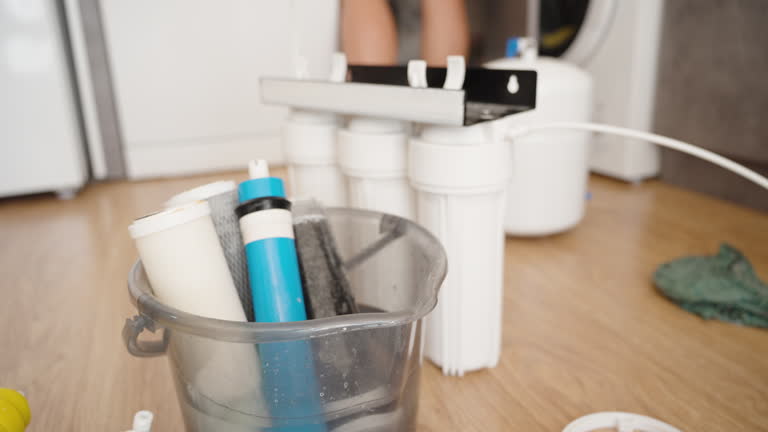
In the analysis of reverse osmosis equipment can not run normally when the problem as a doctor's consultation to be used “look and smell” to know why, to avoid the best way to avoid the operation of the equipment from the beginning to be prevented, a child from the “mother's womb” out of the disability is A child with a disability from “mother's womb” is not perfect. How to avoid “born disabled” reverse osmosis system, the most basic is to design reasonable, first we talk about the design of the RO system.
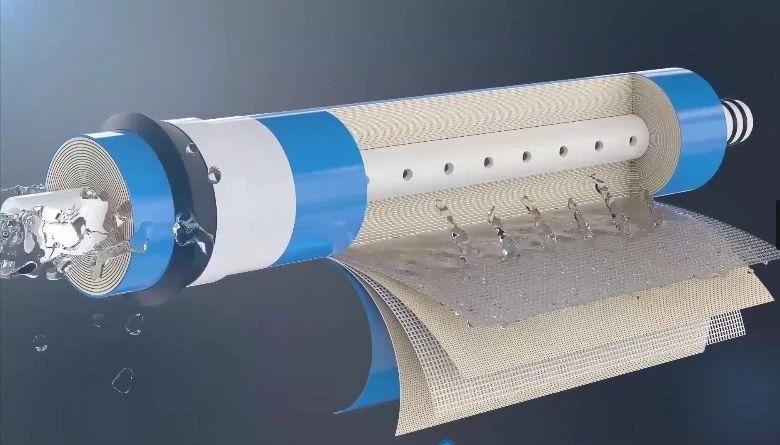 RO design recommendations
RO system design should be a full analysis of water quality. If there are seasonal variations in water quality (very common in surface water) or changes in water sources (very common in municipal water supplies), try to get all the analytical data you can get and confirm that they are taken from the latest material. Perform a 15-minute SDI (contamination density index) test in the field to determine the likelihood of colloidal fouling. If you want to have a good night's sleep, make sure you have designed your RO system with adequate pretreatment. When designing RO (especially when there is a possibility of fouling) allowances should be made for a more aggressive design than a surface water system when designing a reverse osmosis system that uses clean well water as the feed water source.
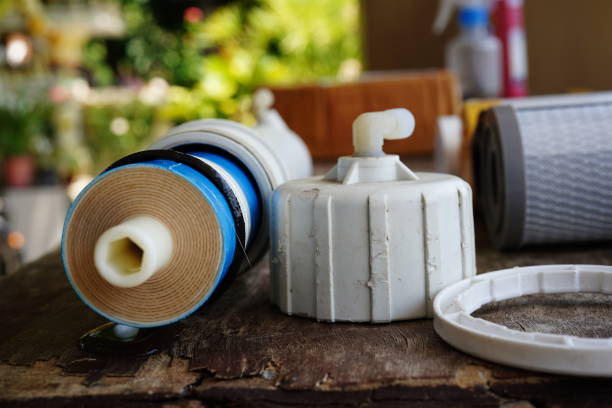
Lower water fluxes are selected for conservative RO system designs because reducing the amount of water produced per unit membrane area reduces the amount of contaminants in the membrane For systems using well water as the feed water source, the design water flux should be kept in the range of 8 to 14 gfd (plus/square feet per day).
For systems using well water as the feedwater source, the design water flux should be controlled in the range of 14 to 18 gfd. Recovery rates should be taken as more conservative values to minimize contaminant concentrations. A conservative design should try to increase the feed water lateral flow rate and concentrated water flow rate, the higher the lateral flow rate, the faster the diffusion of the membrane surface salts and contaminants to the main solution, thus reducing the concentration of salts and contaminants on the membrane surface.
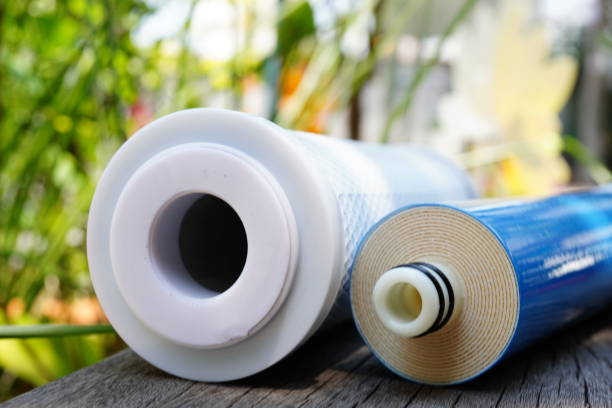
Choose the right type of membrane element for different applications. Sometimes the use of electrically neutral CAB (cellulose acetate) membrane elements is preferred to the use of negatively charged CPA (polyamide composite) membrane elements in the treatment of difficult surface water and industrial wastewater sources.
Your RO reverse osmosis equipment before the birth of whether to do a full “pre-pregnancy checks” and the necessary “creation of the preparation”? Did not do enough homework, the birth of a “disability” system is not surprising, the first to your system to do a “full body check” it! Well, that's all for today, Susan, welcome to continue to pay attention to the reverse osmosis system of the “look and feel”!

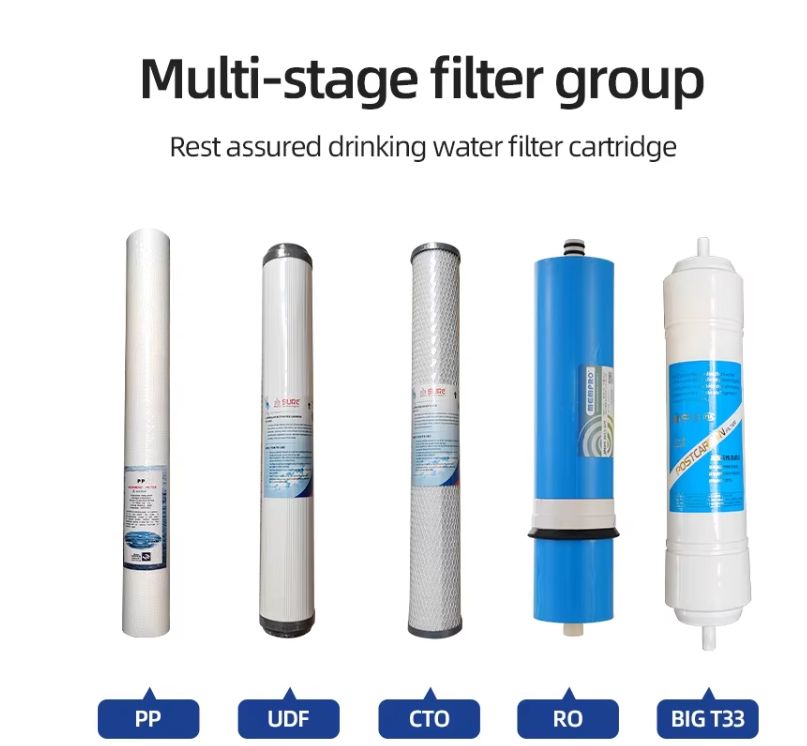 Tips for Using Home Water Purifier Filter Cartridges
 The Battle of Four Membranes: Microfiltration, Ultrafiltration, Nanofiltration, Reverse Osmosis—Which Reigns Supreme in Water Purification?
 Don't Pay for Stupidity! The Ultimate 2026 Water Purifier Guide: Selection, Pitfalls, and Maintenance All in One Article
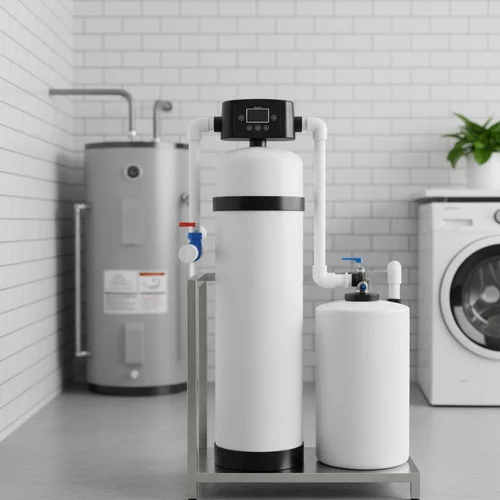 Working Principle and Core Technology of Water Softening Equipment