Is reverse osmosis water safe for long-term consumption? Stop falling for the myths! Here's the scientific answer, once and for all.
“It's too purified, lacking minerals—the more you drink, the weaker your body gets.” “Long-term consumption of pure water depletes nutrients, causing calcium and trace element deficiencies.” “Children absolutely must not drink purified water—it harms their health.” These claims circulate endlessly in parent groups and social feeds, leaving many agonizing: Should we trust the expensive water purifiers we installed?
Today, we'll set aside all pseudoscience, folk remedies, and outdated beliefs to focus solely on scientific facts. We'll thoroughly address the question of whether reverse osmosis water is safe for long-term consumption. After reading this, you'll never worry about drinking water again.
I. A Core Principle: Water Is Never a “Nutritional Supplement”
Most skepticism about reverse osmosis water stems from a fundamental misconception: treating water as the primary source of minerals for the human body.
From a physiological perspective, water serves only one purpose—as a carrier of life. It transports nutrients, removes metabolic waste, regulates body temperature, and maintains normal cellular function. It acts as the body's “porter” and “cleanser.”
Whether it's tap water, mineral water, mountain spring water, or reverse osmosis-filtered pure water, none of them serve the function of “supplementing nutrients.” The primary purpose of drinking water is always safety and cleanliness, not so-called “mineral richness.”
II. A Clear-Cut Calculation: Relying on Water to Supplement Minerals Is a Flawed Premise
Many worry that “drinking pure water lacks nutrition.” Let's compare real data to see the truth clearly.
Authoritative nutrition data shows: Over 99% of the calcium, magnesium, potassium, zinc, and other minerals and trace elements the human body needs come from daily food—rice, vegetables, meat, eggs, milk, and soy products are the true sources of nutrition.
Consider this simple comparison:
The calcium in one glass of regular milk equals roughly the calcium in 1,200 glasses of premium mineral water.
A small handful of leafy greens like spinach or broccoli contains far more minerals than a person would consume from drinking tap water for an entire year.
In other words, a single nutritious meal provides more nutrients than drinking dozens of liters of water. Relying on water to replenish minerals and build strength is fundamentally an unscientific obsession.
III. The Crucial Truth: The Body Cannot Absorb Inorganic Minerals in Water
Even if we concede that water contains calcium, magnesium, potassium, and other elements, these components hold no practical value for the human body.
The minerals in water exist solely in inorganic form. Only plant roots can absorb and convert this form into organic nutrients usable by the human body. When humans consume these inorganic minerals, they cannot be absorbed or utilized by the body. The vast majority are excreted directly through metabolism.
Simply put: Drinking water for its minerals is pointless. It neither nourishes the body nor strengthens the constitution. All claims that “drinking water provides nutrition” lack any medical or physiological basis.
IV. Does Long-Term Use of Reverse Osmosis Water Really “Harm the Body and Deplete Nutrients”?
This is the most widespread and harmful myth.
First, reverse osmosis filtration does not strip the body of nutrients. Water functions solely as a transporter and metabolic agent within the body. It does not break down or strip away calcium, iron, zinc, or other elements stored by the body. The claim that “the more you drink, the more calcium you lose” has no scientific support whatsoever.
Second, it does not cause micronutrient deficiencies. As mentioned earlier, nutrition is entirely supplied by food and has nothing to do with whether drinking water is pure. Countless households worldwide have consumed purified water long-term without any documented cases of nutritional deficiencies caused by drinking water.
Finally, it does not harm the body or upset the stomach. The core value of reverse osmosis filtration lies in thoroughly removing genuine threats in water—contaminants like heavy metals, bacteria, viruses, pesticide residues, antibiotics, residual chlorine, rust, and sediment—while retaining only pure water molecules.
For the human body, purified water stripped of harmful substances is the safest and gentlest drinking water. It is suitable for long-term consumption by the elderly, children, and pregnant women.
Final Thoughts: Don't Let Misinformation Compromise Your Family's Water Safety
The purpose of reverse osmosis water purifiers has never been to “preserve useless minerals,” but to serve as the final line of defense for household drinking water safety.
In today's world where water pollution and secondary contamination from pipes persist, drinking pure water free of impurities, heavy metals, and bacteria is the most responsible choice for your health and your family's.
Stop being misled by outdated myths like “pure water harms your health,” and don't obsess over trace minerals your body can't absorb.
Remember this: Clean, safe, and uncontaminated water is the best choice for everyone's long-term consumption.
Reverse osmosis purified water is safe to drink daily—truly, no problem at all.
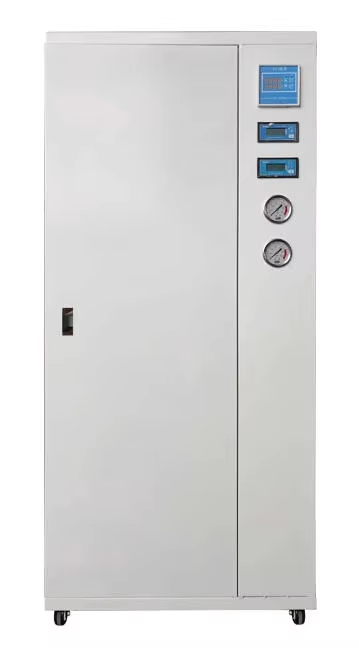 Analysis of the Structure and Working Principle of Ultrapure Water Equipment
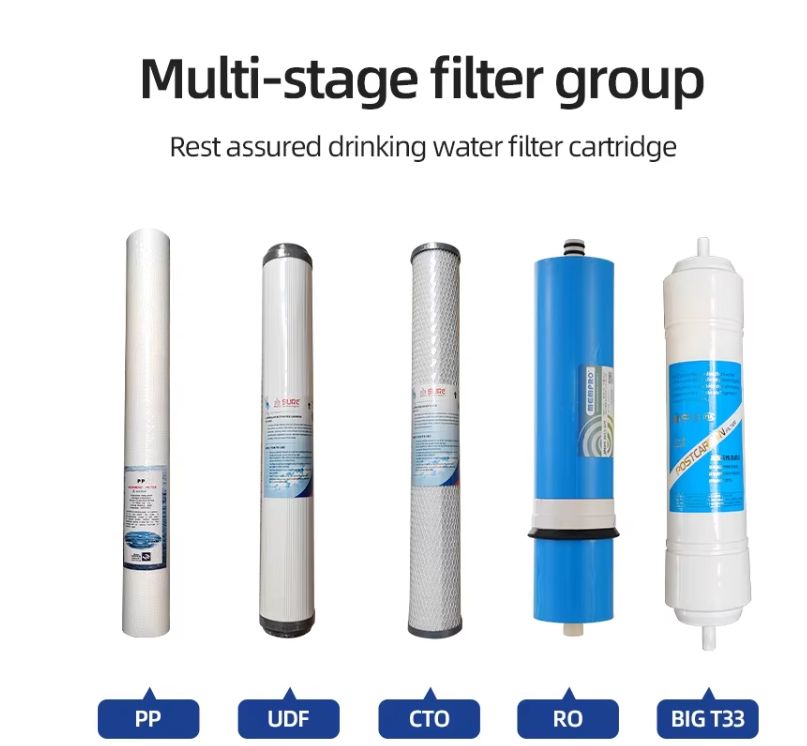 Tips for Using Home Water Purifier Filter Cartridges
 The Battle of Four Membranes: Microfiltration, Ultrafiltration, Nanofiltration, Reverse Osmosis—Which Reigns Supreme in Water Purification?
 Don't Pay for Stupidity! The Ultimate 2026 Water Purifier Guide: Selection, Pitfalls, and Maintenance All in One Article