These “Water Purification Basics” You Should Know!
In recent years, as consumers increasingly prioritize the quality of their drinking water, water purifiers have gained immense popularity, fueling a thriving market. Yet behind this boom lie consumer pitfalls that are hard to guard against. This article addresses all your questions. Water purification differs significantly from air purification and is far more complex. Even within professional circles, stubborn challenges remain unsolved. Therefore, this article addresses only the issues within our scope to help consumers navigate common misconceptions.
Question 1: Is drinking pure water necessarily bad?
Source: Mineral water marketing
Pure water, as the name suggests, is untreated water devoid of other components. The claim that long-term consumption is detrimental to health has persisted for an unknown duration, with most people accepting it without question. But is drinking pure water truly harmful? The answer is not necessarily. Since authoritative organizations cannot provide conclusive evidence, it's best not to blindly believe such claims.
Clarification: No conclusive evidence exists at present.
While debate is healthy, claims that pure water is inherently harmful often originate from mineral water advocates. Investigations by global authoritative research institutions show no evidence of health risks from drinking pure water, even long-term. Theoretically, even mineral-rich natural spring water contains far fewer minerals than other foods—they're not in the same league. What about claims of easier absorption? Consider this: if minerals exist in the same form, how could absorption rates differ significantly? While pure water isn't necessarily good, it's certainly not necessarily bad.
Question 2: Is Slightly Alkaline Water Beneficial for Health?
Source of Claim: Alkaline Water Producers
Claims about alkaline water's health benefits have circulated for years, originating from mineralized water and alkaline water machine manufacturers. The intense hype surrounding alkaline water for a period stemmed largely from excessive marketing. The marketing claims are compelling: better alignment with the body's acid-alkaline environment, regulation of acidic body types, and even disease prevention functions have been touted... But what's the reality?
Clarification: pH isn't that magical In truth, the body's acid-alkaline balance cannot be altered simply by drinking water. Even if water is alkaline, it gets neutralized by stomach acid once it enters the stomach. The human body is a highly complex system. The notion that drinking water alone could alter bodily fluid pH is laughable. Currently, only pure water has a slightly acidic pH. Tap water and natural mineral water are both slightly alkaline. Therefore, making claims about water pH lacks scientific basis and is merely wishful thinking.
Question 3: Does repeatedly boiled water cause cancer? Source: Folk “legends” + online rumors
So-called “thousand-boil water” refers to water boiled repeatedly or for extended periods. At some point, claims about its carcinogenicity began circulating with vivid descriptions. Follow Water Purification Focus for all your water purification knowledge! Since such claims are made with such conviction, they must have scientific backing. “Nitrites” have become the scientific basis for the alleged carcinogenicity, leading many users of water dispensers with repeatedly heated water to express skepticism and rejection. Some things are fine to discuss, but scaring people is not fun—don't bully us for being less educated.
Q&A: Drink 20 tons first, then talk.
Such a sensitive issue naturally requires answers from professionals at specialized institutions. Relevant organizations conducted experiments to explain this. In the experiments, as the number of heating cycles increased, the nitrate content in tap water decreased rather than increased. The reason is that heating accelerates the conversion of nitrite ions into nitrate ions. (Feel free to skip this if it's unclear). Moreover, researchers indicate that it's genuinely difficult to cause cancer through excessive nitrite intake from normal drinking water—you'd need to consume 20 tons at once for that to be a possibility. 20 tons...
Question 4: Are foreign water purifiers always better? Source of claim: Foreign water purifier manufacturers
This claim appears backed by compelling theoretical data—high penetration rates of foreign water purification systems and decades of technological advancement over domestic counterparts—all cited as “evidence” for choosing imported brands. But do foreign solutions truly fit local needs? Water quality issues exhibit highly complex regional variations. We must ask: Do foreign manufacturers genuinely understand China's specific conditions?
Answer: Approach with Rational, Needs-Based Selection
We cannot definitively state that foreign water purifiers are unsuitable for China's conditions, just as we cannot claim they are inherently superior to domestic products. Consumers should adopt a rational approach when selecting water purification systems. For instance, many foreign companies introduce their products unchanged into the Chinese market, proving inadequate when confronted with the country's poorer water quality. Domestic reputable water purification companies extensively utilize pure imported components (such as RO filtration membranes). By combining mature components with product designs tailored to local conditions, they produce water purification products truly suited for Chinese consumers. Therefore, consumers must exercise great caution when selecting water purification equipment brands. In short, choose based on your needs, avoid blind following, and promptly discern the truth behind claims that a certain brand's products are inherently superior.
Question 5: The “RO Purifier Perfection Myth” Origin: RO purifier manufacturers
From the perspective of the water purifier market's development, RO purifiers have seen the most rapid market growth, reaching approximately 60% of the entire market within just one year. Due to the significant increase in users, a “perfection myth” has emerged in the market regarding RO purifiers. In reality, we need to analyze this perfection myth dialectically. While it is true that the water becomes pure, RO purifiers are not without flaws. RO systems still present significant drawbacks in wastewater generation, energy consumption, flow rate, and cost. Before purchasing, ask yourself whether you can tolerate these limitations.
Q&A: If you genuinely require pure water RO refers to reverse osmosis membrane technology, first developed abroad. Simply put, water passes through a highly dense RO membrane that allows only water molecules to pass, achieving purification through repeated filtration. We can narrowly define water purified through RO reverse osmosis as pure water. This refers solely to its purification effectiveness. While it suits users requiring pure water for drinking, it may not be ideal for those who don't need such pristine water sources. Due to the rigorous filtration process, RO reverse osmosis water purifiers typically require pressure pumps to meet pressure demands. Even then, the flow rate of water from RO purifiers is often unsatisfactory. Additionally, RO systems generate wastewater and produce noise, making them far from perfect.
The answers to the above questions represent typical misconceptions. Speculating on issues without definitive conclusions creates highly misleading information, making consumers vulnerable to flashy marketing claims that benefit unscrupulous companies. This article aims to help readers clearly understand these “water purification myths.”
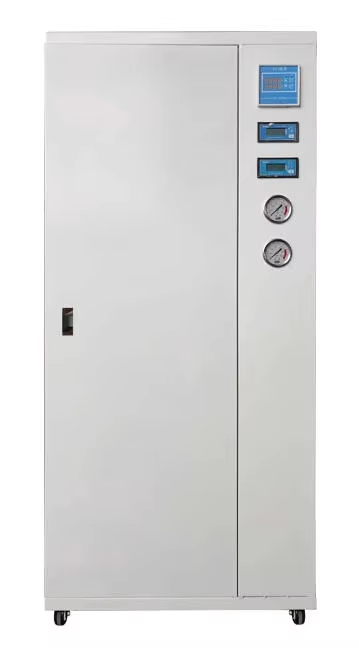 Analysis of the Structure and Working Principle of Ultrapure Water Equipment
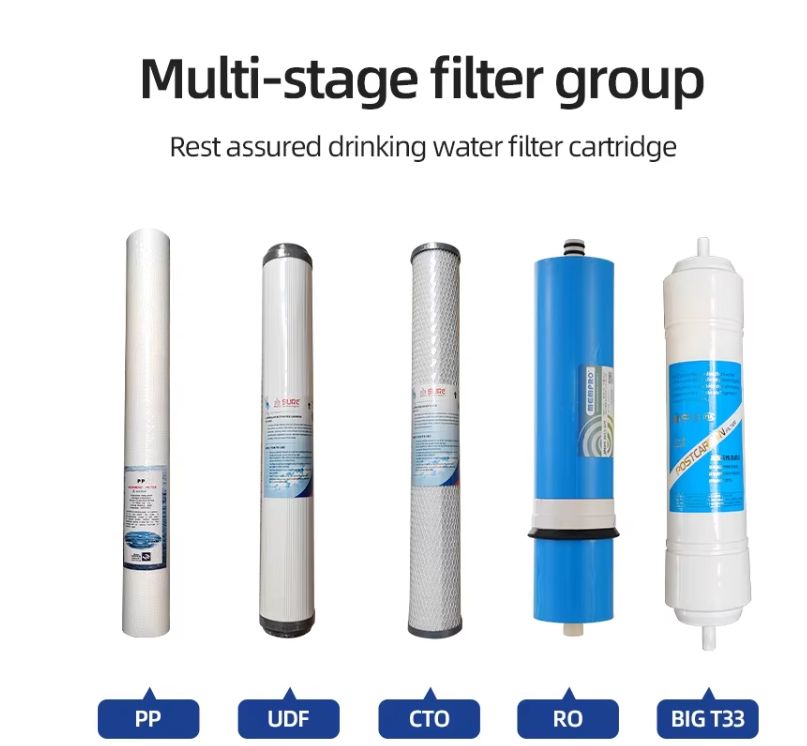 Tips for Using Home Water Purifier Filter Cartridges
 The Battle of Four Membranes: Microfiltration, Ultrafiltration, Nanofiltration, Reverse Osmosis—Which Reigns Supreme in Water Purification?
 Don't Pay for Stupidity! The Ultimate 2026 Water Purifier Guide: Selection, Pitfalls, and Maintenance All in One Article