Two-Stage Reverse Osmosis: Turning Every Drop of Water into the Art of Purity
In modern industry and daily life, demands for water quality grow increasingly stringent. Whether it's production water for high-end manufacturing, precision experiments in laboratories, or even the pursuit of household drinking water, one key technology remains indispensable—reverse osmosis. Among these, two-stage reverse osmosis equipment, with its exceptional purification capabilities, is emerging as the preferred solution across numerous fields.
What is Two-Stage Reverse Osmosis?
Simply put, Two-Stage Reverse Osmosis (TSRO) is a water treatment process that connects two independent reverse osmosis systems in series. The permeate from the first stage serves as feedwater for the second stage. This two-stage membrane separation process achieves a level of water purity unattainable by single-stage reverse osmosis.
Anatomy of a Two-Stage Reverse Osmosis System
A complete two-stage reverse osmosis system is a sophisticated water treatment setup comprising several core components:
1. Pre-treatment System
- Multi-media Filter: Removes suspended solids, colloids, and large particulate impurities
- Activated Carbon Filter: Adsorbs residual chlorine, organic compounds, and odors
- Water Softener (Optional): Reduces water hardness to prevent membrane scaling
- Microfilter: 5-micron filtration ensures feedwater quality for RO membranes
2. Primary Reverse Osmosis System
- High-pressure pump: Generates pressure to overcome osmotic pressure
- Primary RO membrane assembly: System core, typically spiral-wound composite membranes
- Membrane housing: Pressure vessel containing RO membranes - Instrumentation system: Monitoring devices including pressure gauges, flow meters, conductivity meters
3. Intermediate System
- Intermediate tank: Stores Stage 1 permeate
- Intermediate pump: Conveys Stage 1 permeate to Stage 2 system
- pH adjustment unit (optional): Regulates feedwater pH to optimize Stage 2 membrane performance
4. Secondary Reverse Osmosis System
- Secondary high-pressure pump: Typically operates at lower pressure than primary stage
- Secondary RO membrane assembly: Further removes trace ions from primary-stage product water
- Pure water tank: Collects final product water
5. Control System
- PLC automatic control: Enables automated equipment operation - Protection devices: High/low pressure protection, low-water protection, etc. - Cleaning system: Periodic chemical cleaning maintains membrane performance
Unique Advantages of Dual-Stage Reverse Osmosis
1. Significantly Enhanced Water Purity
Dual-stage reverse osmosis achieves salt rejection rates exceeding 99%, reducing product water conductivity below 5 μS/cm—far surpassing the 95-98% rejection of single-stage systems. This difference is critical for industries requiring ultrapure water, such as electronics, pharmaceuticals, and laboratories.
2. Enhanced System Stability
The two-stage system offers superior buffering capacity against fluctuations in feedwater quality. The primary stage shoulders the main desalination and fouling load, protecting the secondary stage and extending overall membrane lifespan.
3. Higher Recovery Rate
With proper design, the total recovery rate of a two-stage reverse osmosis system can exceed 75%, compared to the typical 50-70% of single-stage systems. This translates to reduced water resource waste.
4. More Economical Operating Costs
Although the initial investment is higher, in the long run, the membrane replacement cycle for a two-stage system is longer, and its energy consumption is relatively more efficient. The overall operating costs are often lower than those of a single-stage system that has been upgraded to achieve the same water quality.
5. Wider Adaptability
It can treat raw water with higher salinity or higher contamination risks, making it suitable for areas with poor water source conditions.
Application Scenarios: Where is Two-Stage Reverse Osmosis Needed?
- Electronics Industry: Ultra-pure water for semiconductor and integrated circuit manufacturing
- Power Generation: High-pressure boiler feedwater
- Pharmaceutical Industry: Water for injectable solutions and sterile preparations
- Laboratories: Water for precision analytical testing
- Premium Drinking Water: Water for bottled water and beverage production
- Specialized Industries: High-purity desalinated water for electroplating, chemical processing, and other demanding applications
Selection and Maintenance Considerations
Selection Criteria:
- Raw water quality analysis forms the design foundation
- Product water quality and flow rate requirements determine system configuration
- Energy efficiency ratio and recovery rate are key economic indicators
- Brand reputation and service support are equally important
Maintenance Essentials:
- Regularly monitor inlet/outlet water quality and pressure differential
- Perform chemical cleaning according to specifications
- Pre-treatment system maintenance is equally critical
- Record operational data for optimization and troubleshooting
Dual-stage reverse osmosis equipment is not merely a water treatment system; it embodies an unwavering pursuit of purity. Through two stages of precise physical filtration, it removes nearly all ions, organic compounds, microorganisms, and particulates from water, achieving near-absolute “purity.” In today's world where water quality defines product excellence, selecting the right water treatment technology means embracing a standard of responsibility. Regardless of your industry, when stringent water quality demands arise, dual-stage reverse osmosis technology warrants thorough consideration. For every drop of purity matters—it can influence the quality of your final product and even safeguard public health.
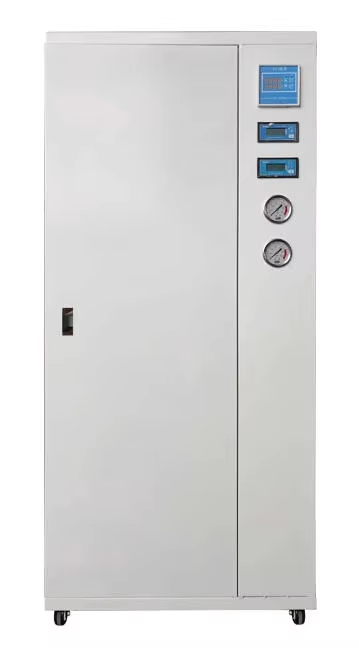 Analysis of the Structure and Working Principle of Ultrapure Water Equipment
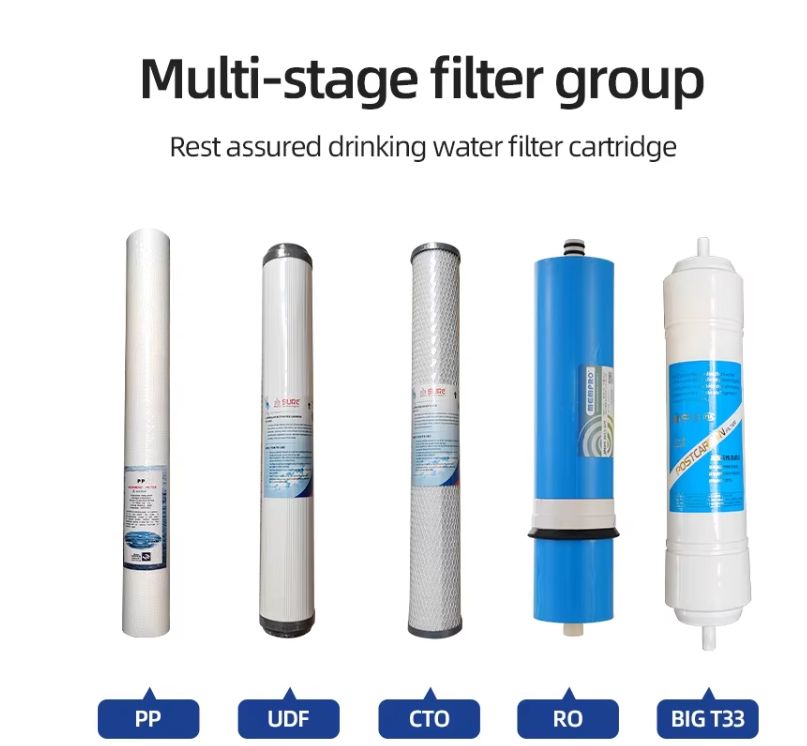 Tips for Using Home Water Purifier Filter Cartridges
 The Battle of Four Membranes: Microfiltration, Ultrafiltration, Nanofiltration, Reverse Osmosis—Which Reigns Supreme in Water Purification?
 Don't Pay for Stupidity! The Ultimate 2026 Water Purifier Guide: Selection, Pitfalls, and Maintenance All in One Article