Understanding TDS in Water Filters: A Comprehensive Guide
In today's world, access to clean, healthy drinking water is essential. Whether you rely on municipal water, well water, or other sources, understanding water quality is crucial. Total dissolved solids (TDS) is one of the key indicators for measuring water quality. Understanding TDS in water filters is vital for selecting the right filter and ensuring you consume the healthiest drinking water possible.
So, let's dive into the fascinating world of TDS (we'll make it fun!) to help you make informed choices and safeguard your health!
Introduction: The Importance of TDS in Water Purification
TDS refers to the total amount of dissolved substances in water, including minerals, salts, metals, and other impurities. This is a vital parameter because it reflects the overall quality of water. By measuring TDS levels, we can determine if harmful contaminants are present and evaluate how effectively a water purifier removes these pollutants. Understanding the total dissolved solids (TDS) content in water is crucial for ensuring the safety and healthiness of your drinking water.
How TDS Affects Water Quality
TDS levels in water significantly impact taste, odor, and overall water quality. Water with extremely low TDS (below 50 ppm) may taste bland, but more concerning is its potential lack of essential minerals. Long-term consumption of low-TDS water increases risks of tooth decay, osteoporosis, and certain cardiovascular diseases.
Conversely, excessively high TDS levels (above 500 ppm) result in unpleasant taste, often with a salty or metallic flavor. In some cases, it may indicate the presence of harmful contaminants like lead or arsenic, posing serious health risks. To strike a balance between taste and safety, the World Health Organization (WHO) recommends an ideal TDS range of 100-300 ppm for healthy drinking water.
Finding the Right Water Filter for You: Choosing Based on TDS Levels
Understanding your water source's TDS level is crucial when selecting a water filter. Different filter types are designed for varying TDS levels, and choosing the right one can significantly improve your drinking water quality. Here are some guidelines to help you make an informed choice:
Low TDS levels (below 250 ppm): Opt for a simple, easy-to-use water filter! You likely won't need a reverse osmosis (RO) system. Micron filtration or ultrafiltration will suffice.
Medium TDS levels (150 ppm to 1500 ppm): Nanofiltration technology comes into play, removing some minerals while retaining beneficial ones. Carefully select the nanofiltration rating (20/40/60/80) based on your water quality.
High TDS values (above 1500 ppm): An RO filter with a TDS removal rate exceeding 95% is recommended.
Use this guide to understand your needs and select the best water purifier for your family.
Debunking the Myths About TDS in Water Purifiers
Let's clarify some common misconceptions:
Q Misconception 1: The lower the TDS value, the better the water quality. Not true!
A Fact—Excessively low TDS in water may indicate a lack of essential minerals vital for normal bodily functions. Maintaining TDS within an acceptable range is crucial. The World Health Organization recommends an ideal TDS range of 100-300 ppm for drinking water.
Q Misconception 2: A high TDS value means poor water quality. Again, not true!
A Fact—While excessively high TDS can sometimes indicate issues, not all high TDS levels are cause for concern. Some minerals are completely safe and even beneficial.
Maintaining Ideal TDS Levels in Your Water Purifier
Even the best water purifiers require careful maintenance. After selecting a suitable purifier based on your water source's TDS level, maintaining optimal TDS levels is crucial for ensuring a consistent supply of safe, healthy drinking water.
Regular Maintenance: Keep filter cartridges clean and perform routine maintenance to ensure peak performance and prevent buildup.
Periodic TDS Testing: Monitor the TDS levels of purified water to ensure they remain within healthy ranges.
Final Summary:
Choosing a water purifier isn't just about brand or features. Understanding TDS values empowers you to make informed decisions. Explore GE-techno's full range of purifiers designed for varying TDS levels, ensuring your family enjoys delicious, safe, and nutritionally balanced drinking water.
So, the next time you pick up a glass of water, remember: its charm lies not only in purity, but in the perfect balance of dissolved minerals.
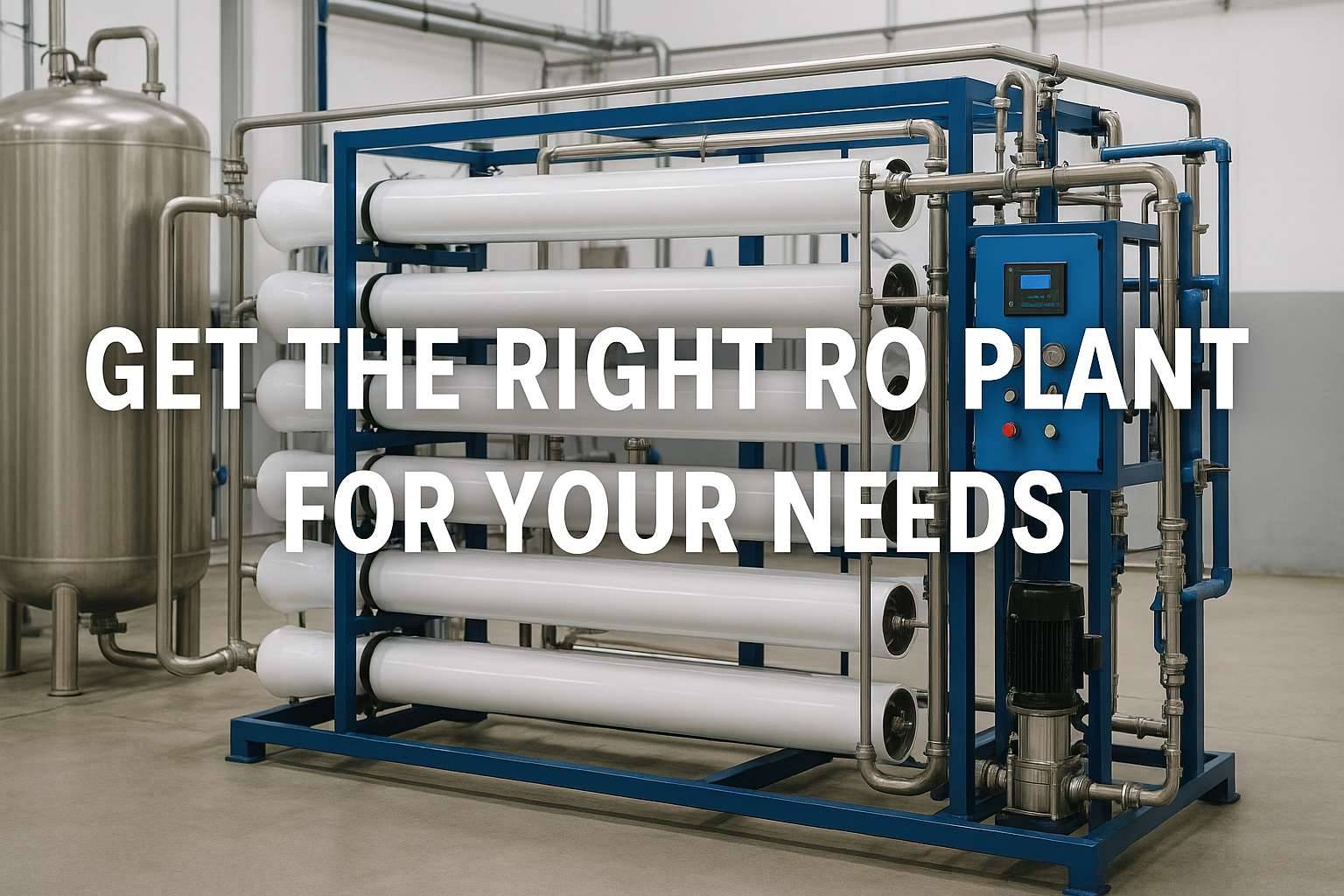 Understanding the Full Water Treatment Process in One Minute
 Why Do We Recommend Drinking Directly from the Tap?
 Are anti-fouling membranes inherently durable? How to clean anti-fouling membranes for minor contamination
 How to Choose a Baby-Safe Water Purifier? Look for Lead-Free, Low-Sodium, and Mildly Alkaline Models