What are the differences in treatment methods for various types of industrial wastewater?
Industrial wastewater, a “byproduct” generated during industrial production processes, poses severe pollution risks to water bodies, soil, and the entire ecological environment if discharged without effective treatment. However, the diversity of industrial production results in a wide variety of industrial wastewater types, with significant differences in composition, concentration, and biodegradability. Therefore, tailored treatment methods must be applied to different types of industrial wastewater to achieve efficient purification and compliant discharge. This article will delve into the distinctions between treatment methods for various industrial wastewater types and analyze the core technologies behind them.
I. Classification and Characteristics of Industrial Wastewater:
The Foundation for Differentiated Treatment
Industrial wastewater can be classified in multiple ways based on different criteria, with each type exhibiting distinct characteristics that serve as key determinants for selecting treatment methods.
(1) Classification by Chemical Properties:
Organic wastewater primarily originates from industries such as food processing, pharmaceuticals, and chemicals, containing substantial organic substances like proteins, fats, and carbohydrates. It exhibits varying degrees of biodegradability (e.g., highly concentrated chemical wastewater). Inorganic wastewater, originating from electroplating, metallurgy, mining, and similar industries, is rich in heavy metal ions, acidic/alkaline substances, and salts. Examples include chromium, nickel, and cadmium ions in electroplating wastewater, which exhibit high toxicity and poor degradability.
(2) Classification by Industry and Processing Object includes food wastewater, chemical wastewater, pharmaceutical wastewater, textile wastewater, etc.
Food wastewater features high volumes with elevated organic matter and suspended solids, exhibiting good biodegradability; Chemical wastewater is characterized by complex composition and high concentrations (organic matter, ammonia nitrogen, salts, etc.), with poor biodegradability; Pharmaceutical wastewater, due to diverse production processes, often contains refractory organic compounds and antibiotic residues, posing significant treatment challenges. Textile wastewater predominantly contains dyes and auxiliaries, exhibiting high color intensity, with some organic components being difficult to biodegrade.
(3) Classification by Primary Pollutant Components: Includes heavy metal wastewater, acidic/alkaline wastewater, phenol-containing wastewater, etc.
The core challenge for heavy metal wastewater lies in the toxicity and bioaccumulation of heavy metal ions, necessitating their priority removal. Acidic and alkaline wastewater requires pH adjustment to prevent corrosion or inhibition of subsequent treatment equipment and microorganisms. Phenolic compounds in phenol-containing wastewater exhibit biotoxicity and poor degradability, demanding targeted oxidation or adsorption technologies for treatment.
II. Treatment Methods and Technological Differences for Various Industrial Wastewaters
Due to the distinct characteristics of different industrial wastewaters, their treatment methods exhibit significant differences in principles, technology selection, and process flows. The core objective is to remove specific pollutants and achieve compliance with water quality standards.
(1) Food Wastewater Treatment: Focusing on Efficient Removal of Organics and Suspended Solids
Food industry wastewater is characterized by high organic and suspended solids content with good biodegradability. Treatment emphasizes removing organics and suspended solids, commonly employing a combined “physical + biological + advanced treatment” process.
1. Suspended Solids Treatment: Primarily uses physical and physicochemical methods. Large suspended solids are first removed via screens to prevent clogging downstream equipment. Grease is then separated using oil separators to prevent interference with biological treatment. Subsequently, in coagulation-air flotation tanks, the addition of coagulants like polyaluminum chloride (PAC) destabilizes and aggregates fine suspended particles and colloids. These form flocs that are separated by air flotation, achieving over 90% removal of suspended solids.
2. Organic Matter Treatment: Primarily biological methods. Commonly employs an “anaerobic + aerobic” process combination: Anaerobic treatment (e.g., UASB reactor) decomposes complex organic compounds into simpler organic matter and methane, significantly reducing organic load with COD removal rates exceeding 80%. Aerobic treatment (e.g., activated sludge process, biological contact oxidation) utilizes oxygen-rich environments where microorganisms oxidize organic matter into carbon dioxide and water, further purifying the water. Overall COD removal rates can exceed 95%. For example, a food industrial park successfully achieved compliant wastewater discharge and partial reuse by implementing a process sequence: “bar screen equalization tank → coagulation-air flotation tank → UASB anaerobic reactor → activated sludge process → advanced treatment.”
(II) Chemical Wastewater Treatment: Addressing Challenges of High Concentration and Difficult Degradability
Chemical wastewater features complex composition, high concentration, and poor biodegradability. Single treatment methods often fail to meet standards, necessitating a tiered strategy of “pretreatment + biological treatment + advanced treatment.” The core objective is to enhance biodegradability and degrade refractory organic compounds.
1. Pretreatment: Removes characteristic pollutants and optimizes water quality through physical or chemical methods. Common techniques include: n Chemical precipitation: For chemical wastewater containing heavy metals, additives like NaOH or sulfides are introduced to form insoluble precipitates (e.g., Cr(OH)₃, CdS) for separation and removal.
n Advanced Oxidation Process (AOP): Utilizes techniques like Fenton oxidation (Fe²⁺-catalyzed H₂O₂) and ozone oxidation to generate highly reactive hydroxyl radicals (·OH). These radicals non-selectively decompose refractory organic compounds, disrupting their complex structures and improving biodegradability. For instance, Fenton pretreatment of certain chemical wastewater achieves up to 50% COD removal.
n Coagulation/Dissolved Air Flotation (DAF): Addition of coagulants like PAC and PAM removes suspended solids and some colloids, preparing the wastewater for subsequent biological treatment.
2. Biological Treatment: Centered on biological methods, combining anaerobic and aerobic processes. Anaerobic treatment (e.g., UASB, IC reactors) decomposes macromolecular organic matter in an oxygen-free environment, reducing organic load while producing biogas. Aerobic treatment (e.g., activated sludge, biofilm processes) further degrades biodegradable organic matter. For example, a chemical industrial park employs a process sequence of “iron-carbon microelectrolysis pretreatment → UASB anaerobic treatment → aerobic biological treatment.” Iron-carbon microelectrolysis removes 35%-40% of organic matter through redox reactions, enhancing wastewater biodegradability. Subsequent anaerobic and aerobic processes synergistically ensure final effluent meets discharge standards. 3. Advanced Treatment: For trace refractory organic compounds and color in effluent, membrane separation (ultrafiltration, reverse osmosis) and advanced oxidation technologies are employed to ensure effluent quality meets discharge standards or reuse requirements. Some enterprises further integrate MVR evaporation crystallization systems to treat concentrated wastewater, achieving “near-zero discharge.”
(III) Electroplating Wastewater Treatment: Prioritize Heavy Metal Removal with pH Adjustment
The primary pollutants in electroplating wastewater are heavy metal ions and acidic/alkaline substances. Treatment methods must prioritize heavy metal removal while simultaneously adjusting pH levels.
1. Chemical Precipitation Method: A common approach for treating electroplating wastewater. By adding alkalis such as NaOH, heavy metal ions form hydroxide precipitates (e.g., Cr(OH)₃, Ni(OH)₂) which are then separated and removed. For certain difficult-to-precipitate heavy metals, sulfide precipitation can be employed to form more stable metal sulfide precipitates.
2. Neutralization Method: Adjusting the pH to neutrality by adding acids or bases according to the wastewater's acidity or alkalinity prevents corrosion or damage to subsequent treatment equipment and the environment.
3. Other Technologies: For cyanide-containing electroplating wastewater, oxidation methods (e.g., alkaline chlorination) must first be used to destroy cyanide ions before precipitation treatment. Some enterprises also integrate membrane separation technology to further recover heavy metal ions for resource utilization.
(IV) Pharmaceutical Wastewater Treatment: Addressing Challenges of Refractory Organics and Antibiotic Residues Pharmaceutical wastewater exhibits complex composition, containing refractory organics and antibiotic residues with poor biodegradability, posing significant treatment difficulties. A combined process of “pretreatment + biological treatment + advanced treatment” is commonly employed.
1. Pretreatment: Advanced oxidation processes (e.g., Fenton oxidation, ozone oxidation) decompose refractory organic compounds to enhance biodegradability. For antibiotic-containing wastewater, adsorption methods (e.g., activated carbon adsorption) are required to remove antibiotic residues and prevent microbial inhibition.
2. Biological Treatment: Due to poor biodegradability, anaerobic and aerobic processes require optimization. Anaerobic treatment (e.g., IC reactors) effectively degrades certain macromolecular organic compounds. Aerobic treatment employs biofilm methods (e.g., biological contact oxidation, MBR membrane bioreactors) to increase microbial concentration and treatment efficiency, ensuring stable organic degradation.
3. Advanced Treatment: Employ membrane separation (reverse osmosis, nanofiltration) and advanced oxidation technologies to remove trace contaminants and color, ensuring effluent compliance. Some pharmaceutical companies also integrate evaporation crystallization to achieve wastewater reduction and resource recovery.
III. Common Characteristics and Development Trends of Industrial Wastewater Treatment Technologies
Despite variations in treatment methods for different industrial wastewater types, several common features exist. With increasing environmental requirements, treatment technologies exhibit new development trends.
(I) Common Characteristics
1. Widespread Application of Combined Processes: Single treatment methods struggle to meet complex wastewater demands. Combined physical, chemical, and biological processes have become mainstream, leveraging the strengths of each method to achieve efficient purification.
2. Increased Emphasis on Pretreatment: Effective pretreatment creates favorable conditions for subsequent biological treatment, enhancing overall efficiency and reducing costs.
3. Resource Recovery and Reduction Trends: Beyond meeting discharge standards, more enterprises focus on resource recovery from wastewater—such as reclaiming heavy metals and biogas—and implementing recycled water reuse. This reduces fresh water consumption and minimizes wastewater discharge.
(II) Development Trends
1. Promotion of “Near-Zero Discharge” Technologies: Amidst water scarcity and stricter discharge standards, “near-zero discharge” has become a key direction for industrial wastewater treatment. Technologies like membrane separation and evaporation crystallization enable efficient wastewater reuse and resource recovery from concentrated effluent.
2. Application of Intelligent Control Systems: Leveraging IoT, big data, and AI enables smart monitoring and precise control of wastewater treatment processes. These systems dynamically adjust chemical dosing and process parameters based on water quality, enhancing treatment efficiency while reducing operational costs.
3. Development and Application of Novel Treatment Technologies: Innovations like electrochemical oxidation, photocatalytic oxidation, and bioaugmentation effectively address complex pollutants such as recalcitrant organic compounds and heavy metals, improving treatment efficacy and stability.
IV. Conclusion
The diverse types and distinct characteristics of industrial wastewater necessitate differentiated and precise treatment approaches. From the “anaerobic + aerobic” biological treatment for food wastewater, to the “pretreatment + staged biological treatment” for chemical wastewater, and the heavy metal precipitation and neutralization treatment for electroplating wastewater, each wastewater type has its dedicated treatment pathway and core technology.
Against the backdrop of increasingly stringent environmental regulations, industrial wastewater treatment must not only select appropriate methods based on specific characteristics but also continuously innovate and optimize technologies to advance “near-zero discharge,” resource recovery, and intelligent control systems. Only through such approaches can we achieve effective wastewater management, protect ecosystems, promote sustainable industrial production, and contribute to building a greener planet.
By gaining a deep understanding of the treatment methods and technological differences for various types of industrial wastewater, we can not only better address current wastewater management challenges but also provide insights for the future development and application of environmental technologies. This approach enables industrial production and environmental protection to achieve harmonious coexistence.
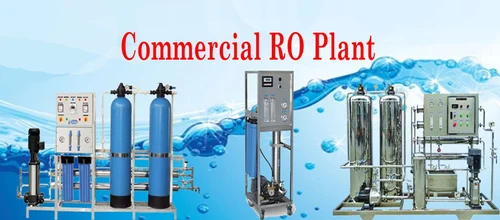 Reverse Osmosis Water Treatment Technology: Principles, Applications, Membrane Fouling Prevention,
 Comparison of Characteristics for Nanofiltration/Ultrafiltration/Reverse Osmosis Systems!
 RO Pretreatment Practical Handbook: Detailed Analysis of Four Major Raw Water Processes
 The “Heart Switch” of Reverse Osmosis Systems: Feed Water Pressure