

Water purification information

Poor drinking water quality is harmful to the human body

Views : 113132
Update time : 2021-11-25 17:32:59
Drinking water is of poor quality, which is very harmful to the body. High-quality drinking water is the basic guarantee for the health of us and our families. So, if we drink substandard water, what harm will it cause to our body?
Organic compounds: carcinogenic and mutagenic
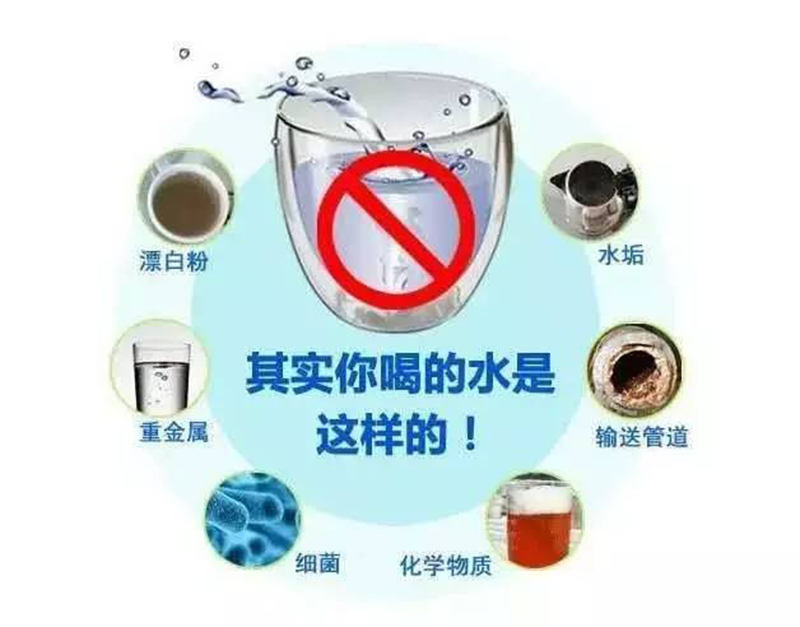
Organic matter pollution and heavy metal pollution have replaced microbial pollution and become the biggest hazard to drinking water safety in my country. According to a research report released by the US Environmental Protection Agency, existing testing techniques have found that there are 756 organic compounds in drinking water, of which 20 are carcinogens, 23 are suspected carcinogens, 18 are carcinogens and 56 are mutagenic.

Excessive heavy metals: accumulation of poisoning
Heavy metals cannot be decomposed in water, and their toxicity is amplified after human consumption, and combined with other toxins in the water to produce more toxic harmful substances. Heavy metals can cause headaches, dizziness, insomnia, joint pain, stones, etc.; especially, it can cause serious damage to the cells, organs, skin, bones, and nerves of the digestive system and urinary system.

Excessive microbes: infection
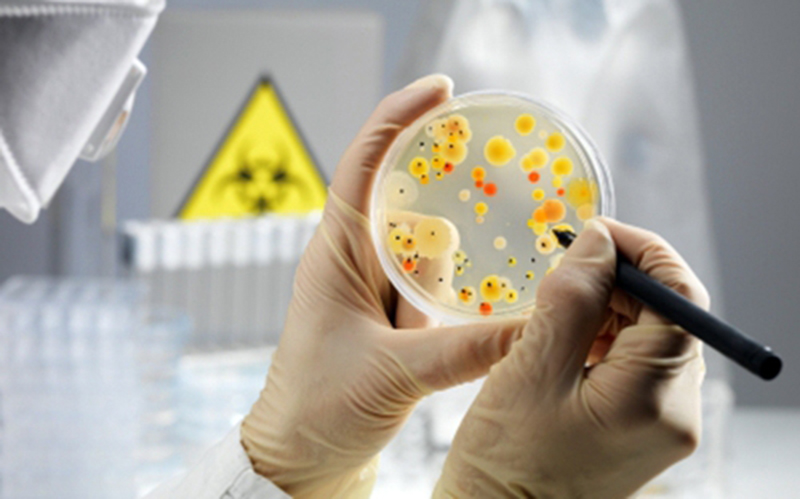
Drinking water needs to be tested for microbial indicators. Escherichia coli, heat-resistant coliforms, Giardia and Cryptosporidium are all included in the monitoring list; if these indicators are unqualified, bacterial infections and parasitic diseases are likely to occur. Causes people to have gastrointestinal symptoms such as abdominal pain and diarrhea.


Nitrite: poisoning and carcinogenic

The current national standard requires less than 0.1 mg per liter of nitrite, while the standard of the International Codex Alimentarius Commission for natural mineral water is less than 0.02 mg, which is more stringent. Ingestion of trace amounts of nitrite can lead to hypoxia and poisoning, coma or even death in the mild and severe cases. Long-term ingestion of trace amounts of nitrite will increase the risk of cancer in the human body.
Related News
Read More >>
A Comprehensive Guide to Pure Water Production Core Processes: Understanding the Role of Each Stage from Coarse Filtration to EDI A Comprehensive Guide to Pure Water Production Core Processes: Understanding the Role of Each Stage from Coarse Filtration to EDI
Jan .09.2026
Understanding the working principles of each fundamental unit is the cornerstone for proper equipment selection, efficient operation, and effective troubleshooting.
Nine Core Water Treatment Technologies: How Your Pure Water Is Made Nine Core Water Treatment Technologies: How Your Pure Water Is Made
Jan .09.2026
In modern water treatment systems, nine core technologies each play their part, functioning like a precision assembly line to transform ordinary raw water into purified water that meets diverse needs.
What are the differences between common types of water used in laboratories? What are the differences between common types of water used in laboratories?
Jan .08.2026
What are the differences between common types of water used in laboratories? (Ultrapure water, deionized water, RO water, distilled water, double-distilled water)
How to Choose Laboratory Water? Deionized Water, Double-Distilled Water, or Ultrapure Water? How to Choose Laboratory Water? Deionized Water, Double-Distilled Water, or Ultrapure Water?
Jan .08.2026
The core distinctions between different types of laboratory water (such as ultrapure water, deionized water, RO water, etc.) ,which directly impact their suitability for various experiments.