Many people agonize over wastewater issues when buying water purifiers, sometimes even abandoning the purchase altogether. In reality, there's no need for excessive worry. Compared to the water we use daily for showers and flushing toilets, the wastewater discharged by water purifiers is actually minimal.
Moreover, water purifiers that discharge wastewater produce safer, more reliable purified water. They also extend the lifespan of filter cartridges, saving on purification costs.
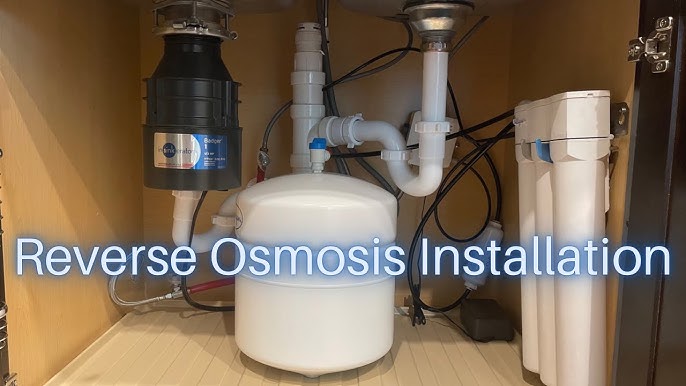
1. Why do water purifiers produce wastewater?
Wastewater generation stems partly from the operational principle of reverse osmosis (RO) systems. The RO membrane process essentially concentrates liquids: purified water flows out from one side of the membrane, while the other side discharges “concentrate”—a high-concentration solution of organic compounds and metal ions—forming “wastewater.”
Additionally, wastewater is generated during the filter cartridge's automatic backwashing cycle. To prevent impurities intercepted by the RO membrane from clogging the cartridge, the system employs automatic backwashing technology to flush the membrane, thereby extending the cartridge's lifespan.
Thus, wastewater production in reverse osmosis systems ensures water purity and safety while enhancing filter cartridge longevity.

2. Are there water purifiers that don't discharge “wastewater”?
Yes, ultrafiltration systems are one example. The core component of ultrafiltration purifiers—the ultrafiltration membrane—has significantly larger pores than RO membranes. Since it doesn't require additional pressure to filter impurities, ultrafiltration membranes operate without electricity and produce no wastewater.
However, their filtration precision falls far short of reverse osmosis systems. In areas with poor water quality or certain industrial cities, we still recommend choosing RO water purifiers for purer, more reassuring drinking water!
3. Are water purifiers truly “water hogs”?
Many people, upon hearing that water purifiers produce wastewater, perceive this as wasteful and even label them as water-consuming “water hogs.” This notion is a genuine misunderstanding.
In the past, many water purifiers did indeed have high wastewater ratios. However, with technological advancements—particularly following the implementation of the new national standard “Water Efficiency Limits and Grades for Reverse Osmosis Water Purifiers”—high-waste products with water recovery rates below 35% have been phased out of the market. Today, most water purifiers on the market maintain wastewater ratios within acceptable standards.
Compared to the water we use daily for showering, mopping floors, and flushing toilets, the “wastewater” discharged by water purifiers is actually minimal.
For example, a family of three consumes about 6 liters of drinking water daily. Assuming a mid-range water efficiency rating of 50%, this results in 6 liters of wastewater per day. In contrast, a single shower uses roughly 40 liters of water. A family of three requires 2,000 to 4,000 liters monthly for bathing alone. When compared, doesn't the wastewater from water purifiers suddenly seem insignificant?
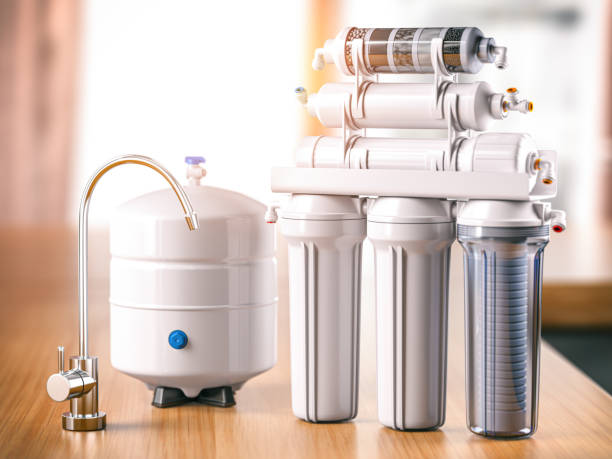
4. Can the wastewater be reused?
Absolutely. In fact, this wastewater isn't useless. On the contrary, the effluent from reverse osmosis systems has already undergone multi-stage filtration, removing most impurities. While it contains slightly higher salt levels and bacteria than tap water, most other indicators—such as turbidity, color, organic matter, and large particles—are lower.
While not suitable for drinking, this water can be used in many household scenarios—watering plants, flushing toilets, mopping floors—saving both energy and money while being eco-friendly.
Below, Susan will show you how to collect this wastewater from your purifier—
Method One: Directly Connect the Drain Pipe to a Bucket
Simply place the wastewater pipe into a bucket. Choose one with a narrow opening, large capacity, and stability to prevent tipping (like those used for bottled water). While practical, this method risks overflow. Place the bucket in a low-lying area with drainage.
Method 2: Connect the hose to high-water-use areas
Handy DIYers can build a custom wastewater recovery system or connect the hose to sinks, washing machines, toilets, or other high-consumption fixtures for reuse.
Now we understand that reverse osmosis water purifiers don't actually waste much water. Instead, the wastewater discharge ensures safer, more reliable water quality and extends filter cartridge lifespan, ultimately saving on purification costs. The wastewater can also be reused, conserving water resources.
With these questions resolved, you can confidently install a reverse osmosis water purifier to safeguard your household's drinking water safety~
We all need clean water—today's water quality determines tomorrow's health.

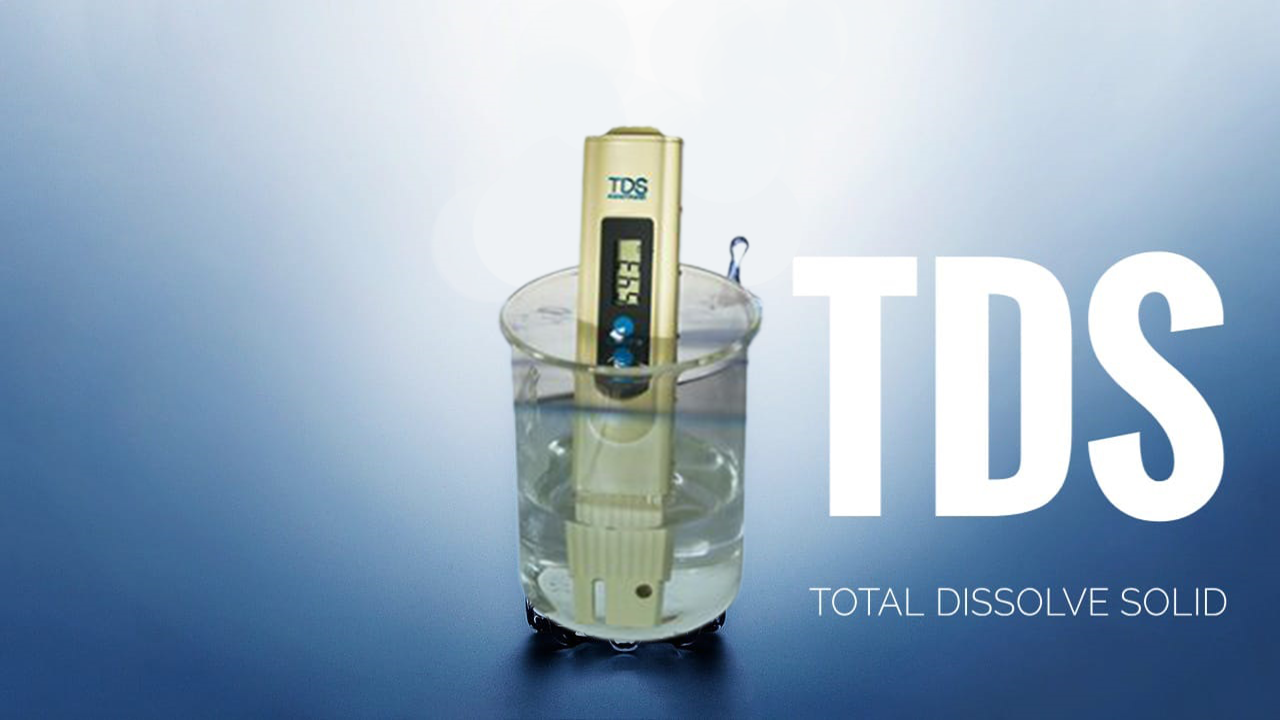 Understanding TDS in Water Filters: A Comprehensive Guide
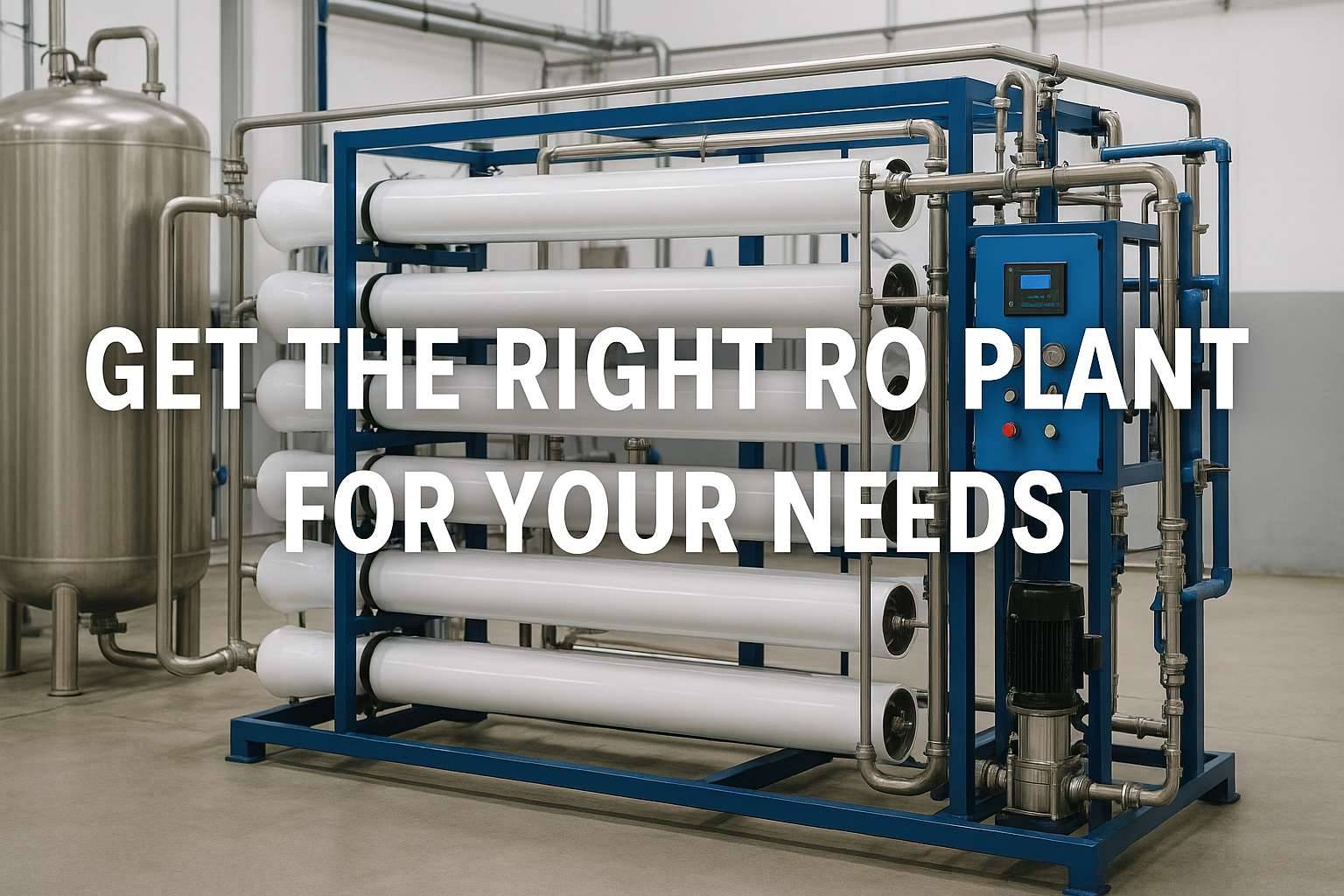 Understanding the Full Water Treatment Process in One Minute
 Why Do We Recommend Drinking Directly from the Tap?
 Are anti-fouling membranes inherently durable? How to clean anti-fouling membranes for minor contamination