I. Definition and Properties of Ultrapure Water
Ultrapure water (UP water) refers to water with a resistivity of 18 MΩ·cm (at 25°C). This water has nearly all impurities removed except water molecules, including bacteria, viruses, organic matter, and even trace minerals essential for human health. In other words, ultrapure water is water from which nearly all atoms except oxygen and hydrogen have been removed. Common impurities in ordinary water include microorganisms (such as bacteria and algae), particulates (e.g., rust, colloids, suspended solids, and particulate matter), soluble inorganic substances (e.g., inorganic salts, dissolved gases, heavy metals), and soluble organic compounds (e.g., lignin, tannins, humic acids). Ultrapure water achieves exceptionally high purity through rigorous purification processes that remove these impurities.
II. Evaluation Criteria for Ultrapure Water
1. Resistivity: Measures the electrical conductivity of laboratory water. The resistivity of ultrapure water increases as inorganic ions decrease. The standard resistivity for laboratory ultrapure water is 18.25 MΩ·cm (at 25°C).
2. TOC (Total Organic Carbon): Reflects the content of oxidizable organic compounds in water, significantly impacting certain organic experiments. 3. Endotoxins: Primarily derived from lipopolysaccharide cell wall fragments of Gram-negative bacteria. Endotoxin-removed ultrapure water is mainly used in life sciences.
III. Grading of Pure Water
1. Pure Water: Lowest purification level, typically with conductivity between 1-50 μS/cm. Suitable for cleaning glassware, etc. 2. Deionized Water: Conductivity typically ranges from 1.0 to 0.1 μS/cm, meeting diverse needs such as cleaning and preparing analytical standards.
3. Laboratory Grade II Water: Conductivity < 1.0 μS/cm, TOC < 50 ppb, bacterial count < 1 CFU/ml, suitable for various laboratory applications.
4. Ultrapure Water: Resistivity reaches 18.2 MΩ·cm, TOC < 10 ppb, filters out particles as small as 0.1 μm or smaller, bacterial content below 1 CFU/ml. Suitable for precision analytical experiments and biological applications.
IV. Application Fields of Ultrapure Water
Ultrapure water finds extensive applications in life sciences and analytical chemistry. In life sciences, it is used for bacterial cell culture, clinical biochemistry, electrophoresis, etc. In analytical chemistry, it serves as feedwater for distillers, sample dilution, and reagent preparation.
V. Applications Demanding High Water Purity
Bioelectrophoresis: Requires removal of bioactive substances like endotoxins.
Endotoxin Analysis: Demands specified endotoxin concentration limits.
Mass Spectrometry: Requires highest-purity water to ensure analytical accuracy.
VI. Water Purification Technologies
Water purification technologies include distillation, activated carbon adsorption, microfiltration, ultrafiltration, reverse osmosis (RO), UV lamp treatment, and KDF methods. These techniques effectively remove impurities and contaminants from water to produce high-purity ultrapure water.
VII. Maintaining Optimal Water Quality for Ultrapure Water
1. Use water immediately upon dispensing whenever possible to prevent quality degradation from prolonged storage.
2. Install air filters on pure water storage tanks to prevent environmental contamination and avoid placement in direct sunlight. 3. Discard the initial flow when dispensing to obtain stable water quality and minimize bubble formation.
4. Avoid connecting hoses after the terminal filter; use direct dispensing to obtain high-purity ultrapure water.
5. When the water purifier is unused for extended periods, completely drain the RO water from the pressure storage tank to prevent contamination. Upon reuse, thoroughly drain the initial pure water to ensure quality. Regular flushing is also crucial for maintaining stable water quality.
 What are the differences between common types of water used in laboratories?
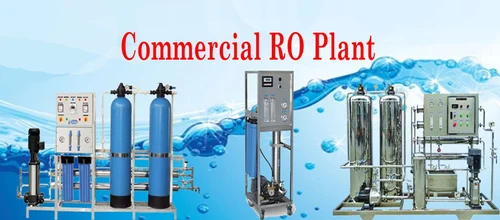 Reverse Osmosis Water Treatment Technology: Principles, Applications, Membrane Fouling Prevention,
 Comparison of Characteristics for Nanofiltration/Ultrafiltration/Reverse Osmosis Systems!
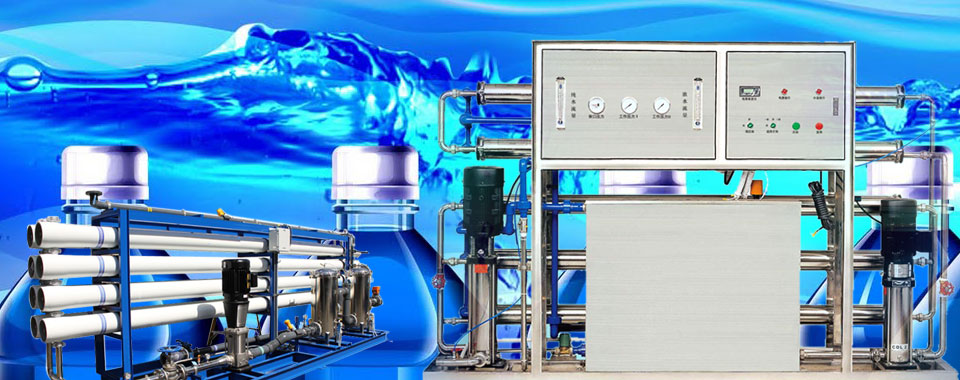 What are the differences in treatment methods for various types of industrial wastewater?