Depending on filtration levels and functions, different water purification devices need to be installed at various stages of a home water system. We've previously discussed pre-filters; today, let's explore central water filtration and central water softening systems.
1. What Are Central Water Filtration and Water Softening Systems?
A central water purifier is the second-stage purification device installed on the main pipeline after the pre-filter. Its primary function is to remove colloids, bacteria, impurities, rust, sediment, and certain organic compounds from water. Similar to central air conditioning, central water purification ensures purified water flows from every faucet in your home. This means kitchens, bathrooms, balconies, living rooms, and other areas all receive purified water, meeting all household needs for drinking, cooking, washing, bathing, and more.
Central Water Softener Installed as the third-stage purification device on branch pipes after the central water purifier, the water softener alters water hardness by removing calcium and magnesium ions while also adsorbing excess iron ions. It achieves high removal rates for hardness (scale), providing comprehensive softening for the entire household's water supply. Typically used for daily washing, bathing, laundry, and other domestic water applications.
2. Why install central water purification and central water softening systems?
Central water purifiers feature high flow rates, enabling whole-house coverage—hence their designation as central whole-house water purifiers. They introduce a new approach to household water use, simultaneously meeting drinking and domestic water needs. For most families, this represents an innovative water treatment solution. Central systems achieve exceptionally high filtration precision, delivering water quality that is excellent for daily household applications.
Central water softeners provide an excellent solution for bathing and washing water, primarily functioning to soften water quality. Using softened water conserves resources and eliminates many inconveniences. Washing your face with softened water locks in moisture, making skin appear more youthful; showering with softened water nurtures skin health and maintains its smoothness; washing clothes and towels with softened water leaves them clean, soft, and looking as good as new. Soft water eliminates safety hazards and equipment wear caused by scale buildup in downstream water-using appliances. It prevents scaling and clogging in wall-mounted boilers, radiators, water heaters, and solar systems, extending their lifespan. Bathroom fixtures (glass shower enclosures, mirrors, bathtubs, toilets, etc.) treated with soft water avoid stubborn white stains and rust spots. For women and those who prioritize quality of life, a central water softener is indispensable.
If no special requirements exist for non-drinking household water, central water filtration and central water softening can be installed selectively. If financially feasible, installing both is recommended. After all, central water filtration effectively removes colloidal impurities and certain compounds, enhancing drinking water taste and quality while providing greater peace of mind when washing fruits, vegetables, and dishes. Softened water reduces energy consumption, boosting water heater efficiency by approximately 30%. It also clears pipe deposits, increases water flow and pressure, and effectively extends the lifespan of other water appliances.
3. How to Select Central Water Filtration and Water Softening Systems
When choosing to install central water filtration, the following four points must be considered.
First: Material Composition
Like other water purification components, central systems must use food-grade materials to ensure product stability. Additionally, they should undergo rigorous water hammer testing before shipment to withstand pressure surges. Water connections must maintain system integrity and enhance pressure resistance. For filter cartridges, food-grade ultrafiltration membranes—safe and additive-free—are the ideal choice.
Second, Filtration Method
Currently, central water purifiers on the market can be categorized by filtration method into non-ultrafiltration membrane systems and ultrafiltration membrane systems. If the local water's TDS value exceeds 80, an ultrafiltration central water purifier is recommended. If the local water's TDS value is below 80, an activated carbon central water purifier can be used. Ultrafiltration central water purifiers offer high filtration precision and a long service life. Third, Water Flow Rate
Central water purifiers are installed on the main water supply line. It is essential to consider household water usage patterns to determine the appropriate flow rate. Generally, a 3000L/H flow rate can meet the needs of a 100-square-meter household. For duplexes or townhouses, installing two 3000L/H central water purification units is recommended.
Fourth, Service Life
Water purifiers typically specify their total rated filtration capacity. Different units have varying lifespans. Failure to replace filter cartridges promptly may cause backflow of filtered substances, contaminating water quality. Central water softeners can be paired with central water purifiers. When selecting a central water purifier brand, consider choosing that brand's central water softener as well. Mixing brands may compromise overall performance.
Key considerations when selecting a central water softener include:
1) Based on the central water softener's operating principle, can it seamlessly perform softening, backwashing, salt regeneration, brine tank refilling, and forward rinsing? More importantly: Does it feature a separate salt tank (Shibao Kang water softeners use a separate salt tank)?
2) Can it intelligently set automatic flush times to deliver optimal softening performance? Does it utilize high-quality resin (with strong exchange capacity, resistance to damage, and a normal service life of several years)?
3) Does it monitor operational status? Does it perform automatic backwashing to prevent clogging, eliminating the need for manual intervention?
4) Does it incorporate microcomputer-controlled regeneration technology? This technology ensures thorough resin regeneration, guarantees optimal water softening quality, and effectively extends resin lifespan.
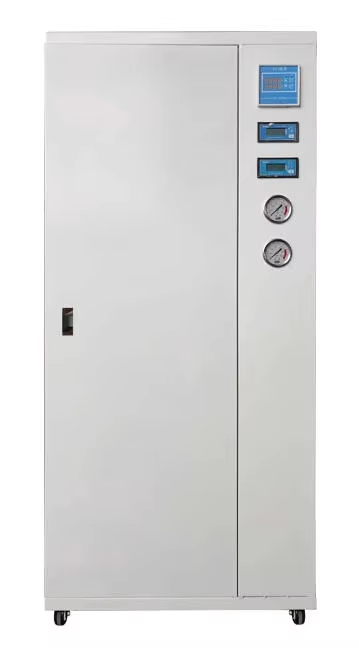 Analysis of the Structure and Working Principle of Ultrapure Water Equipment
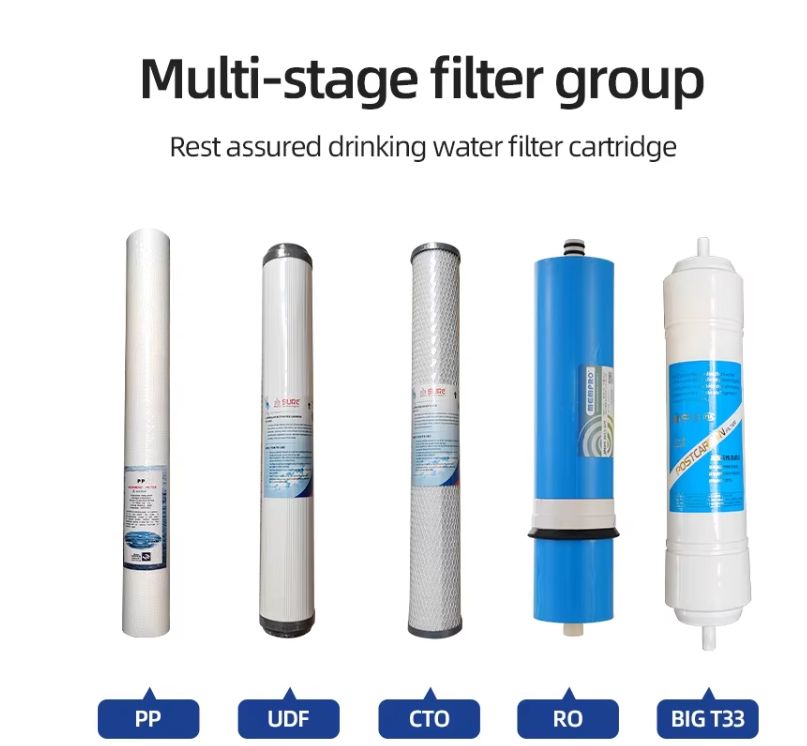 Tips for Using Home Water Purifier Filter Cartridges
 The Battle of Four Membranes: Microfiltration, Ultrafiltration, Nanofiltration, Reverse Osmosis—Which Reigns Supreme in Water Purification?
 Don't Pay for Stupidity! The Ultimate 2026 Water Purifier Guide: Selection, Pitfalls, and Maintenance All in One Article