As living standards in rural areas continue to rise, more and more people are paying attention to drinking water safety. However, in many rural communities, people directly consume groundwater, well water, or natural spring water. So, should they install water purification equipment? Is it really necessary?
01 Where does our drinking water come from?
First, we can broadly categorize drinking water sources into three main types:
The first category is groundwater.
Groundwater itself is divided into two types: shallow groundwater and deep groundwater. Deep groundwater does not refer to water at great depths; rather, it is water from underground rivers that circulate continuously beneath the surface. Visually, this water appears clear with few impurities and is free from surface contamination. However, due to its long-term storage deep underground, metal ions in the water can exceed safe levels significantly, and even radioactive elements may be present above acceptable thresholds. This type of water source is actually quite common in Henan Province.
The second category is water from rivers and lakes.
This water originates from natural precipitation that flows into rivers and lakes, serving as our primary water source. It is also the most suitable water source for human consumption. Such water sources primarily contain sediment, algae, microorganisms, and other elements that can potentially impact our health and safety.
The third category involves seawater desalination.
Seawater contains high salt content. After treatment at water treatment plants, it is converted into freshwater. This type of water source is relatively uncommon in our daily lives.
02 Energy-Saving and Consumption-Reducing Measures for Sewage Lift Pump Stations
With the migration of industries to rural areas and the development of farmers themselves, everything is quietly changing. Water pollution is becoming increasingly severe, with wastewater discharge and unscientific water use leading to varying degrees of exceedance of heavy metals, chemicals, E. coli, and other contaminants in water. The characteristics of rural pollution sources include a wide variety of pollutants, large quantities, and widespread distribution.
So, where exactly does rural water pollution come from?
1. Excessive Use of Chemical Fertilizers and Pesticides
With scientific progress, fertilizer varieties have proliferated. Traditional organic fertilizers are increasingly rare in rural areas, replaced by heavy reliance on chemical fertilizers. Lacking scientific guidance, farmers often over-apply these products, leaving substantial residues of nitrogen, phosphorus, and potassium in the soil. Pesticides are also overused, with residual chemicals contaminating surface and groundwater. Pesticide residues in the atmosphere also enter water bodies via rainfall. During pesticide application, droplets or dust particles settle into water bodies carried by wind.
2. Pollutant Discharges from Township Enterprises
Economic growth has seen numerous enterprises relocate to rural areas annually. Concurrently, township enterprises in rural areas discharge vast quantities of untreated pollutants. Annual wastewater discharges reach 3 billion tons, chemical oxygen demand (COD) emissions hit 3 million tons, and solid waste discharges amount to 30 million tons, severely polluting rural water environments.
3. Irrigation with Contaminated Water
The direct use of large volumes of untreated sewage for irrigation, coupled with excessive water quality standards and uncontrolled expansion of irrigated areas, has caused severe contamination of soil, crops, and groundwater. Irrigation with contaminated water has become one of the primary causes of agricultural environmental degradation in China, directly threatening drinking water safety in affected regions.
4. Pollution from Livestock Farms
With rising living standards, demand for meat and agricultural products has surged, driving rapid growth in the livestock industry. This expansion has generated substantial volumes of wastewater.
5. Pollution from Domestic Sewage and Garbage
Daily household sewage is often discharged directly into rivers due to inadequate drainage systems. In remote areas, household waste lacks centralized treatment, instead being dumped in large landfills. This practice allows viruses and bacteria to seep into groundwater and surface water, causing contamination.
The above outlines current challenges in rural water environments. As living standards rise, health concerns grow increasingly prominent. Daily consumption of contaminated water poses serious health risks. Given these drinking water conditions, rural communities require water purification systems.
Common Issues in Well Water Treatment and Solutions
Well water is rich in minerals and various impurities. To improve water quality, it generally requires treatment. Depending on its intended use, treatment is carried out within cost constraints. Common issues with well water include yellowing, greening, unpleasant odors, and turbidity. Let's analyze each one.
Common Causes of Yellow Well Water!
The primary cause of yellow water is excessive iron and manganese content. This can turn cooked food reddish and poses health risks if ingested in large quantities. Solution: Install iron and manganese removal equipment, which is low-cost with minimal operational and maintenance expenses. Another common cause of yellowing is excessive sediment, visible to the naked eye. The solution involves using a multi-media filter paired with a 0.05mm precision filter. For heavily sedimented water, add a cyclone sand separator and bag filter.
Causes of Green Well Water
Green well water is mostly caused by bacteria and algae. Using disinfectants and algicides can resolve this.
Odor Issues
Well water contains diverse substances, making precise identification challenging. Professional water quality testing is required. Odor removal can be achieved through chemical additives or activated carbon, offering an energy-efficient and eco-friendly solution. Scale Treatment
Well water is rich in calcium and magnesium ions. When heated, these form scale deposits on pipes, tanks, and other flow paths, creating difficult-to-remove buildup. Solutions: Prevention is key. Primary products include intelligent scale prevention systems, water softeners, silico-phosphate crystals, and physical treatment methods. Refer to previous articles for guidance on selecting the most practical option.
Well water treatment involves various challenges. For drinking purposes, reverse osmosis water purifiers can remove 98% of contaminants, making it highly suitable for consumption. The drawback is higher initial and operational costs.
Well water usage can be configured based on end-user requirements. The above outlines common issues encountered with well water.
Whether in rural or urban areas, installing water purification equipment is highly necessary. As living standards improve, water purification systems will become household essentials. Clean water means healthy people.
For more water treatment knowledge, follow us. If you need to purchase water purification equipment, feel free to contact us via the information below.
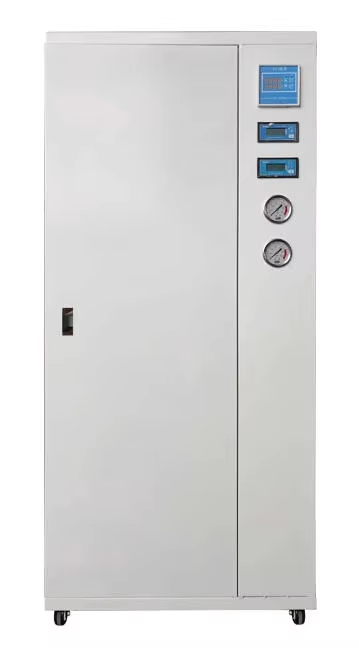 Analysis of the Structure and Working Principle of Ultrapure Water Equipment
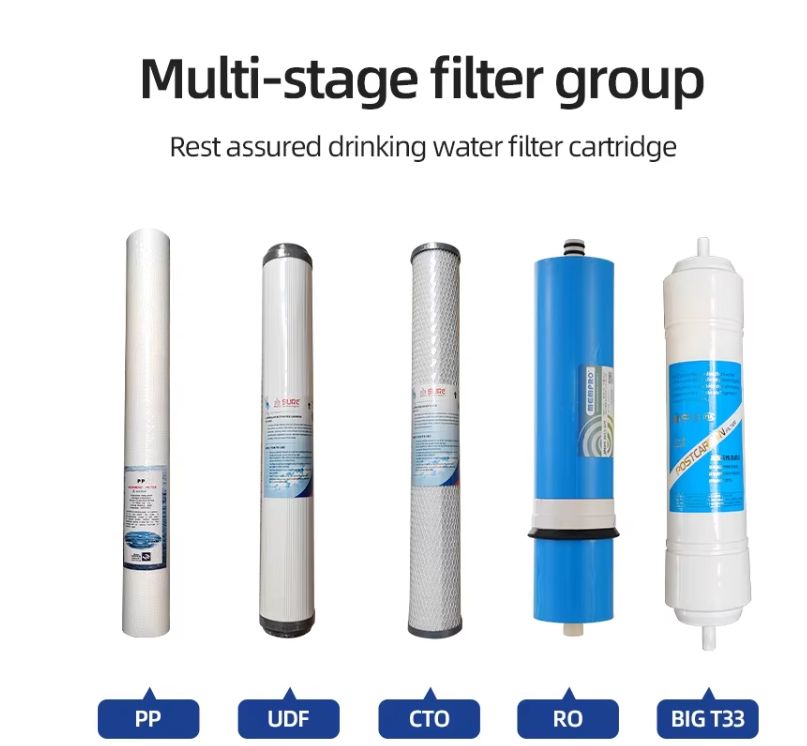 Tips for Using Home Water Purifier Filter Cartridges
 The Battle of Four Membranes: Microfiltration, Ultrafiltration, Nanofiltration, Reverse Osmosis—Which Reigns Supreme in Water Purification?
 Don't Pay for Stupidity! The Ultimate 2026 Water Purifier Guide: Selection, Pitfalls, and Maintenance All in One Article