In the preceding section, we briefly introduced the pretreatment processes for pure water equipment. This article summarizes common water quality application scenarios and conditions, while providing supplementary details on the previously discussed processes.
For the stable operation of RO units, we must first ensure control over critical parameters such as feed water temperature, pH, residual chlorine, SDI index, operating pressure, and recovery rate. Meanwhile, product water flow rate, conductivity, and pressure differential are operational parameters requiring constant monitoring.
During stable operation, the pretreatment system acts as the frontline defender, with consumables sacrificing themselves to protect the RO unit's stable and efficient performance. To facilitate efficient information retrieval, this lengthy article presents key conclusions in a table upfront, followed by detailed elaboration in the subsequent sections.
RO System Feed Water Quality Requirements
1. Temperature (°C): 1–45
2. pH: 2–11
3. Silt Density Index (SDI): <5.0
4. Turbidity (NTU): <1.0
5. Residual Chlorine (mg/L): <0.1
6. Solid Particles (φ, μm): <5
7. Iron & Manganese (mg/L): When dissolved oxygen >5 mg/L, Fe & Mn <0.05
8. SiO₂ (mg/L): Concentrate SiO₂ < 100; two-stage RO concentrate side content approx. 4× feed concentration 9. LSI (Langelier Saturation Index, CaCO₃): pH - pHs < 0
10. Ions prone to forming insoluble salts (Sr, Ba, etc.): Ipb < 0.8Ksp
11. Total Organic Carbon (TOC, mg/L) < 3
12. Chemical Oxygen Demand (COD, mg/L) < 10
13. Biological Oxygen Demand (BOD, mg/L) < 10
14. Surfactants: Not detected
15. Oil contamination: Not detected
Note: RO feedwater quality requirements may vary slightly depending on manufacturer, RO membrane material, application scenario, etc. The above standards are for reference only. Consult the manufacturer's technical personnel for specific water quality requirements.
If any of the above parameters fail to meet standards, it may cause the following impacts on RO membrane elements: 1. Colloidal contamination, suspended solids contamination, and membrane clogging
2. Organic and microbial contamination affecting treated water quality
3. Metal oxide and insoluble salt scaling leading to membrane blockage
4. Oxidation of oxidizable substances, damaging the RO membrane. This may further cause the following impacts on the entire RO purified water system: 1. Damage to the RO membrane, reducing equipment lifespan
2. Decreased water quality and production capacity of the RO system
3. Increased energy consumption during RO equipment operation, including raw water electricity usage
4. Higher water treatment operating costs, including RO scale inhibitors, resin regeneration salt, and other water treatment chemicals
Role of RO Pre-Treatment
1. Prevents membrane scaling: including CaCO₃, CaSO₄, SrSO₄, CaF₂, SiO₂, iron/aluminum oxides, etc.
2. Prevent fouling by colloidal substances and suspended solid particles;
3. Prevent fouling by organic matter and microorganisms;
4. Prevent hydrolysis and oxidation of RO membranes;
5. Maintain stable water production from the RO system.
Therefore, based on the feedwater quality requirements for the RO system, appropriate pretreatment should be applied to address specific exceedance parameters in the feedwater, ensuring stable and efficient operation of the RO system. Note: More pretreatment steps are not necessarily better; fewer steps are preferable as long as requirements are met. Additionally, avoid excessive dosing in pretreatment processes—especially chemical dosing—to prevent creating new contamination sources. Given this article's length and the dry nature of theoretical derivations, conclusions are presented upfront for direct reference as needed.
Note: Reducing recovery rate is not fundamentally a process but rather a control method, often employed as a transitional measure in practical operations.
Brief Overview of Primary Pretreatment Processes and Functions
Heat Exchanger: Regulates water temperature
pH Adjustment: A type of chemical dosing system that modifies pH levels
Quartz Sand Filter: Traps and adsorbs silt, colloids, metal ions, and organic matter to reduce water turbidity
Activated Carbon Filter: Adsorb electrolyte ions and perform ion exchange adsorption to remove discoloration from water; a broad-spectrum adsorbent
Multi-media filter: Filled with two or more filtration media, effectively removes suspended impurities to clarify water.
Bag filter: A type of precision filter, commonly selected with 5μm precision filtration, serving as a security filter.
PP melt-blown filter cartridge: A type of precision filter, commonly selected with 5μm precision filtration, serving as a security filter.
Disc Filter: A high-efficiency filter, commonly using 50/100μm precision filtration, suitable for high-flow equipment.
Ultrafiltration: Hollow fiber membrane filtration technology, commonly using 0.01μm precision filtration, serving as a security filter, with relatively high cost.
Reduction Agent: A type of dosing device, residual chlorine reduction agents eliminate residual chlorine.
Flocculant: A dosing system component that enhances the flocculation and sedimentation of suspended solids and colloids.
Biocide: A dosing system component that reduces microbial impact on the system.
Iron-Manganese Filter: Aerates, oxidizes iron and manganese ions, adsorbs, and filters to remove iron and manganese ions.
Dispersant: A dosing system component; silica dispersants can mitigate SiO₂ scaling.
Scale Inhibitor: A dosing system that reduces the risk of scaling within the system.
Water Softener: Utilizes ion exchange technology, effectively removing calcium and magnesium ions.
Degassing Tower (Decarbonizer): Works in conjunction with water softeners, significantly removing CO₂.
Dissolved Air Flotation (DAF): Enhances solid-liquid/liquid-liquid separation in water, reducing turbidity and suspended solids levels.
Detailed Analysis of RO Feedwater Quality Requirements
1: Water Temperature
The rated water production of RO equipment is based on an assumed feedwater temperature of 25°C, at which the RO membrane achieves optimal efficiency. Under constant feedwater pressure, a 1°C decrease in feedwater temperature reduces water production by 3%. Therefore, maintaining an appropriate feedwater temperature is critical for stable system operation.
Note: In actual design and production, systems are typically designed for 80% of the RO membrane's rated water production capacity to mitigate the impact of temperature fluctuations on system output.
Process (Configuration) Related: Plate Heat Exchanger (Common)/Tube Heat Exchanger
What is a Plate Heat Exchanger?
Plate Heat Exchanger: A novel, highly efficient heat exchanger composed of stacked metal plates featuring specific corrugated shapes. Thin rectangular channels form between the plates, facilitating heat exchange through these plates. Plate heat exchangers are ideal equipment for liquid-liquid and liquid-vapor heat exchange. They feature high heat transfer efficiency, minimal heat loss, compact and lightweight construction, small footprint, easy installation and cleaning, wide applicability, and long service life. Under identical pressure loss conditions, their heat transfer coefficient is 3-5 times higher than that of shell-and-tube heat exchangers, occupying only one-third of the space. Heat recovery rates can exceed 90%. Water temperatures that are too high or too low severely impact RO membrane water production and desalination rates. An optimal operating temperature of 25°C is ideal for RO membranes. Maintaining system water temperature around 25°C via plate heat exchangers is particularly necessary and efficient in cold northern environments.
Limitations of Plate Heat Exchangers: Operation requires a high-temperature liquid or steam source from the heat supply side. Electric heating is often impractical due to cost-inefficiency. Consequently, these heat exchangers are typically deployed only in northern regions with cold winters, or in facilities like thermal power plants and large chemical plants where excess heat is available. They are primarily used in large-scale industrial projects for pure water/reclaimed water reuse and centralized water supply systems in industrial parks. In southern regions and for most small-scale equipment, the impact on system water production during winter or ambient temperatures is limited. There is no need to overly insist on achieving optimal water temperatures.
2: pH Value
Typically ranging from 2 to 11, pH has minimal direct impact on membrane performance itself. However, the characteristics of many ions in water are significantly influenced by pH. For the same ion, higher charge levels result in higher membrane rejection rates, while lower charge levels or neutral ions lead to lower rejection rates. Therefore, pH greatly affects the rejection rates of certain impurities. In practical applications, pH primarily influences the following aspects:
1. RO membranes achieve maximum salt rejection at pH 7.5–7.8.
2. Taking the carbonate equilibrium as an example, this equilibrium shifts with pH changes. When pH falls below 8, CO₃²⁻ and HCO₃⁻ in water begin partial conversion to CO₂. When pH drops below 4, all CO₃²⁻ and HCO₃⁻ in the water convert to CO₂. RO membrane elements cannot remove dissolved CO₂ from water. This CO₂ permeates through the membrane element to the product water side, where it reconverts to HCO₃⁻ in the water, increasing the product water conductivity. Therefore, RO elements exhibit low salt rejection rates when operating under low pH conditions. However, pH should not be increased indiscriminately to eliminate CO₂ interference, as elevated pH reduces carbonate solubility and promotes scaling. Maintaining an appropriate pH range is essential for normal RO operation. This carbonate equilibrium system causes reduced desalination rates and lower permeate flow when permeate from a primary RO stage (pH≈6) directly enters a secondary RO stage. The equilibrium system of carbonate scaling is detailed under the LSI parameter section. Regarding CO₂ interference in closed water systems, it also involves selecting the appropriate decarbonizer equipment.
Process (Configuration) Related: pH Adjustment (Acid-Base Control) Dosage System
The pH adjustment dosage system achieves the desired acidity or alkalinity of the aqueous solution by adding chemical acids or bases. pH adjusters fall into two categories: acidic and alkaline. Acidic adjusters lower pH by releasing hydrogen ions or forming acidic compounds. Common examples include sulfuric acid, hydrochloric acid, acetic acid, and citric acid. Alkaline adjusters raise pH by releasing hydroxide ions or forming alkaline compounds. Common alkaline adjusters include sodium hydroxide, potassium hydroxide, and sodium bicarbonate.
3: Silt Density Index (SDI)
What is SDI? The Silt Density Index (SDI) value is a crucial parameter among water quality indicators. It represents the concentration of particles, colloids, and other substances in water that can clog various water purification equipment. In RO water treatment processes, the SDI value is a key indicator for determining RO system feedwater quality; it serves as the primary means to verify whether pretreatment system effluent meets RO feedwater requirements. Its magnitude critically impacts the operational lifespan of RO systems.
SDI Measurement Method: (SDI denotes the weight of silt filtered through a 0.45μm membrane over 15 minutes; per membrane design manuals, this value must be less than 5). Using a microporous filter membrane with a diameter of 47 mm and an average pore size of 0.45 µm, filter the water sample at a pressure of 0.21 MPa. Record the time t0 required to initially filter 500 mL of the sample. Continue filtering for 15 minutes and then record the time t15 required to filter an additional 500 mL. Calculate the SDI using the following formula: SDI = (1 - t₀/t₁₅) × 100/15 During this measurement process, particles larger than 0.45 µm, colloids, and bacteria in the water are largely retained on the membrane surface. This causes a decrease in the membrane's water permeability rate and an increase in the time required to filter the same volume of water sample, resulting in t₀/t₁₅ < 1. The greater the amount of suspended solids and colloidal matter in the water, the smaller the t0/t15 value, and the larger the SDI (with a maximum value of 6.7). Due to the exceptionally high removal efficiency of RO membranes for colloids, the colloid concentration on the membrane surface within RO systems continuously increases along the flow direction. At a recovery rate of 75%, the colloid concentration in the final membrane element (in two-stage or higher systems) is approximately four times that of the first stage. An excessively high SDI value indicates elevated levels of particles, colloids, and other substances capable of clogging water purification equipment, increasing the likelihood of RO membrane fouling. Therefore, the SDI value must be reduced to an acceptable level. According to membrane manuals, most manufacturers require a feed water SDI value below 5 or 4 to ensure stable operation of their RO membranes. The SDI value is also one of the critical control parameters for the system.
Process (Configuration) Related: Flocculation Sedimentation, Mechanical Filtration, Fine Filtration,
Ultrafiltration Flocculation Sedimentation: After adding coagulants to the water, the colloidal and dispersed particles among the suspended solids.
Process (Configuration) Related: Flocculation Sedimentation, Mechanical Filtration, Fine Filtration,
Ultrafiltration Flocculation Sedimentation: After adding coagulants to water, colloidal and dispersed particles form flocs through molecular interactions. During sedimentation, these flocs collide and coalesce, continuously increasing in size and mass while accelerating their settling velocity. Related process: Flocculant dosing system.
Mechanical Filtration: Quartz sand filters, activated carbon filters, multimedia filters
Disc Filters: Also known as stacked disc filters, with filtration precision ranging from 5-200μm. Commonly used precision is 50/100μm.
Precision Filters: Bag filters, PP melt-blown filter cartridge filters, typically employing 5μm filtration precision.
Ultrafiltration: Ultrafiltration units, filtration precision 0.001-0.02μm (1-20nm), commonly employing 0.01μm precision. Among mechanical filters, quartz sand filters, activated carbon filters, and multimedia filters primarily remove particulates and adsorb colloids through dual mechanisms of interception and adsorption.
Precision Filters: Bag filters, PP melt-blown filter cartridges, and disc filters (stacked disc filters) primarily function through retention. Bag Filters: Includes single-bag, multi-bag, swing-arm, and high-precision bag filters, with filtration precision ranging from 1-10μm.
A 5μm precision is commonly selected for pretreatment. PP Melt-Blown Filter Cartridge: Also known as PP melt-blown filter cartridges, these are manufactured by thermally bonding ultra-fine polypropylene fibers. The fibers randomly form a three-dimensional microporous structure in space, with pore sizes distributed in a gradient along the flow direction of the filtrate. Combining surface, depth, and precision filtration, they can intercept impurities of varying particle sizes. Filter cartridge precision ranges from 0.5 to 100μm, with 5μm precision commonly selected for pretreatment.
Note: Another commonly used filter cartridge is the pleated filter cartridge, frequently employed for protecting EDI units and as the final outlet filtration for ultrapure water. Pleated cartridges utilize precision filtration components made from polypropylene (PP) melt-blown fiber membranes, nylon (NYLON), PTFE (PTEE) microporous membranes, and other filtration media. They offer advantages such as compact size, large filtration area, and high precision. Filtration precision ranges from 0.1μm to 60μm. For EDI system protection and ultrapure water final filtration, 0.45/1.0μm and 0.1/0.22μm configurations are most commonly employed.
Disc (stacked disc) filter: Featuring a modular design, water flows through stacked discs during operation. Contaminants are collected and trapped by the disc walls and grooves. The composite internal cross-section of the disc-groove configuration provides three-dimensional filtration similar to that achieved in sand filters, resulting in high filtration efficiency. Key Advantages of Disc Filters: Precision Filtration: Select discs with varying precision levels (5μm, 20μm, 55μm, 100μm, 130μm, 200μm, 400μm) based on water requirements, achieving a filtration ratio exceeding 85%.
Thorough and Efficient Backwashing: During backwashing, the filter pores are fully opened, combined with centrifugal jet action, achieving cleaning results unmatched by other filters. Each filter unit completes its backwashing cycle in just 10 to 20 seconds.
Fully Automatic Operation with Continuous Water Output: Backwashing is initiated by time and differential pressure controls. Within the filtration system, each filter unit and workstation undergoes backwashing sequentially. Automatic switching between operational and backwashing states ensures continuous water output with minimal system pressure loss. Filtration and backwashing efficacy remain consistent over time.
Modular Design: Users can flexibly configure the number of filter units connected in parallel based on requirements, offering high interchangeability. The design allows efficient utilization of corner spaces on-site, enabling customized installation with minimal footprint.
Ultrafiltration: Utilizing hollow fiber membrane technology, ultrafiltration employs pores smaller than 0.02μm to thoroughly remove harmful contaminants like bacteria, rust, and colloids while preserving essential trace elements and minerals. In pure water production, ultrafiltration offers superior retention compared to precision filtration but carries higher costs.
Note: In everyday applications, ultrafiltration membranes typically employ a 0.01μm filtration precision. This is primarily because harmful bacteria to humans have diameters greater than or equal to 0.02μm, while beneficial minerals and trace elements have diameters less than or equal to 0.01μm. Thus, a 0.01μm membrane removes harmful bacteria while preserving beneficial minerals and trace elements. In industrial production processes, the selection of precision is often more flexible, determined based on the specific requirements of the project.
4: Turbidity (NTU) < 1
What is turbidity? Turbidity refers to the degree of obstruction a solution causes to light passing through it, encompassing both the scattering of light by suspended particles and the absorption of light by dissolved molecules. Water turbidity is influenced not only by the concentration of suspended matter but also by their size, shape, and refractive index.
The primary impact of turbidity on RO systems is the potential clogging of RO membranes. Most RO membranes require turbidity levels below 1 NTU, while certain models demand turbidity below 0.2 NTU. Turbidity and SDI are often perceived as synonymous in common understanding, both indicating water turbidity, yet they differ significantly scientifically. How are SDI and turbidity related? The Silt Density Index (SDI) and turbidity exhibit only a weak correlation. Generally, higher turbidity correlates with higher SDI, but the reverse is not necessarily true. Water with turbidity below 1 NTU can still have an SDI exceeding 5. This scenario frequently occurs in drinking water sourced from surface water. Therefore, in RO membrane systems using municipal tap water as the source, a multimedia filter is typically also installed. Process (Configuration) Related: Flocculation sedimentation, mechanical filtration, fine filtration, ultrafiltration. See above for details.
5: Residual Chlorine Content (mg/L) < 0.1
What is residual chlorine? What is its impact on RO? Residual chlorine refers to disinfection byproducts from microbial sterilization (chlorination) in source water or systems, existing as residual chlorine compounds, chloramines, chloroacetic acid, trichloroacetic acid, etc. In aqueous environments, reversible reactions occur: Cl₂ + H₂O → HCl + HClO; HClO → H⁺ + HClO⁻. RO membranes cannot remove Cl₂, a small, uncharged molecule. When Cl₂ and ClO⁻ concentrations significantly exceed the RO membrane's long-term tolerance for residual chlorine (≤0.1 mg/L), it causes functional group loss in the RO membrane, shortening its lifespan and increasing replacement costs. Residual chlorine is one of the primary culprits causing hydrolytic oxidation damage to RO membrane materials, alongside ozone. When oxidizing agents are used in pretreatment processes for specific reasons, particular attention must be paid to concentration ratios. Excessive use significantly increases the workload for other configurations.
Process (Configuration) Related: Reducing Agents, Activated Carbon Adsorption for Residual Chlorine Reduction Agents: Also known as RO reducing agents, common options include sodium bisulfite. These are administered via a reducing agent dosing system, typically positioned before the security filter and operated concurrently with the corresponding RO high-pressure pump. The mechanism of sodium bisulfite for residual chlorine removal is: 2NaHSO₃ + 2HOCl → H₂SO₄ + 2HCl + Na₂SO₄ Activated Carbon Adsorption: The dechlorination process involves a combination of adsorption, catalysis, and chemical reaction between chlorine and carbon. The adsorption mechanism is similar to activated carbon's adsorption of organic compounds in water, except the adsorbate molecules are smaller than organic molecules.
The reaction between chlorine and carbon occurs when residual chlorine exists in water as hypochlorous acid (HOCl). This acid undergoes chemical reactions on the carbon surface, where activated carbon acts as a reducing agent to convert hypochlorous acid into chloride ions: C + Cl₂ + 2H₂O → 4HCl + CO₂ Under acidic or neutral conditions, residual chlorine primarily exists as hypochlorous acid (HOCl). HOCl oxidizes activated carbon, forming oxides (or CO, CO₂) on the surface of shell-based activated carbon, while HOCl is reduced to H⁺ and Cl⁻.
6: Solid Particles (φ, μm): <5
Solid particles of a certain size can cause clogging and wear in RO systems. Security filters or ultrafiltration units are required to physically intercept particles or colloids larger than 5μm. Process (Configuration) Related: Fine filtration and ultrafiltration analysis as above.
7: Iron, Manganese, Aluminum Content (mg/L): When dissolved oxygen >5 mg/L, Fe, Mn, Al <0.05 Dissolved metal salts in raw water may precipitate within RO units and contaminate membranes.
The most common are ferric hydroxide, aluminum hydroxide, and manganese oxide. Iron and manganese often originate from groundwater or deep well water. To prevent iron contamination, the iron concentration in the feedwater must first be controlled. There are multiple methods for iron removal: oxidation-filtration (first oxidizing with sodium hypochlorite, then removing via dual-media filters) or ultrafiltration. Water softeners also possess iron removal capabilities, but if the raw water iron content exceeds 1 mg/L, the resin will similarly become contaminated by iron. Aluminum contamination of membranes results from the precipitation of aluminum hydroxide. These precipitates typically exist in colloidal form. Aluminum ions are amphoteric (reacting with both acids and bases) and exhibit minimal solubility within a pH range of 6.5–6.7. If flocculation occurs at excessively high or low pH levels, aluminum ions may enter the RO system and contaminate the membrane. Therefore, for pretreatment systems using aluminum salts as coagulants, it is best to control the pH value.
8: SiO₂ (mg/L): At 25°C, the SiO₂ concentration in concentrate water is <100 mg/L. In two-stage RO systems, the SiO₂ content in the concentrate stream is approximately four times that of the feed water. The impact of SiO₂ on RO units manifests in two primary ways: colloidal silica deposition occurs when SiO₂ becomes supersaturated in the concentrate stream, and it reacts with elements like iron and aluminum to form insoluble metal silicates. Colloidal Silica Deposition Conventional water sources typically contain <50 mg/L SiO₂. RO systems are highly sensitive to SiO₂ levels because saturated SiO₂ can polymerize into highly insoluble colloidal silica deposits on membrane surfaces, which are difficult to clean. The permissible concentration of SiO₂ in the RO concentrate stream depends on its solubility product, which is significantly influenced by water temperature and pH. SiO₂ solubility increases proportionally with temperature: at 25°C it is 100 mg/L, at 40°C it rises to 160 mg/L, while at 5°C solubility drops to only 25 mg/L. Therefore, when pre-treatment systems lack heating equipment, special attention must be paid to silica precipitation contaminating membrane elements during winter. Strictly control the silica content in concentrate water, ensuring it does not exceed the solubility value at that temperature. Relationship between SiO₂ solubility and pH: pH = 7-8: SiO₂ exists as dissolved silicic acid, primarily in ionic form. pH < 7: Under acidic conditions, SiO₂ solubility is significantly lower than in alkaline environments. Metal silicate scaling occurs as iron and aluminum react with silicon to form insoluble metal silicates (aluminosilicate and ferric silicate). These formed metal silicates alter SiO₂ solubility, further accelerating membrane fouling. Prerequisites for permissible iron (Fe³⁺) and aluminum (Al³⁺) ion concentrations in RO feedwater: When dissolved oxygen <0.5 mg/L and pH <6, Fe³⁺ and Al³⁺ must be <0.05 mg/L.
Given the above reasons, primary methods to control SiO₂ scaling include:
1. Reducing RO system recovery rate to decrease SiO₂ concentration in the concentrate stream
2. Appropriately raising water temperature
3. Appropriately raising pH
4. Adding silica dispersants
5. Ultrafiltration to intercept colloids
6. Strictly controlling Fe and Al ion concentrations in the system Process (Configuration) Related: Details regarding the specific functions and principles of reducing recovery rate, silica dispersants, and ultrafiltration silica dispersants are described in the chemical additives appendix.
9: LSI (Langelier Saturation Index, CaCO₃): pH - pHs < 0
What is LSI? LSI (Langelier Saturation Index) measures the solubility tendency of calcium carbonate in water. Higher values indicate greater scaling potential and are commonly used in RO system design. LSI = pH–pHs (TDS ≤ 10,000 mg/L) This metric measures the solubility of calcium carbonate in water. Positive values indicate a tendency for precipitation, while negative values indicate a tendency for dissolution. For RO systems, the LSI value must not exceed 0. The system's LSI value can be reduced by adding acid or by decreasing the system's water recovery rate. When carbonates reach saturation in water, the following dynamic equilibrium exists: Ca(HCO₃)₂ ⇌ Ca²⁺ + 2HCO₃⁻ HCO₃⁻ ⇌ H⁺ + CO₃²⁻ CaCO₃ ⇌ Ca²⁺ + CO₃²⁻ From Reactions 2 and 3, adding alkali neutralizes H⁺, raising the water's pH. Reaction 2 proceeds to the right, while Reaction 3 proceeds to the left, facilitating calcium carbonate precipitation. When calcium carbonate reaches saturation in water, Reactions 1, 2, and 3 reach equilibrium. Calcium bicarbonate neither decomposes into carbonic acid, nor does carbonic acid continue dissolving. The pH value of the water at this point is called the saturated pH value, denoted as pHs. Langelier derived a formula for calculating pHS and used the difference between the actual pH of the water and its pHs to determine the likelihood of scale precipitation. This difference is called the Saturation Index, denoted as L.S.I. LSI = pH – pHs LSI < 0: No scaling occurs; existing calcium carbonate scale will dissolve, increasing corrosion tendency. LSI > 0: Scaling occurs; calcium carbonate deposition and crystallization may occur. LSI = 0: Critical point for scaling. Note: LSI indicates scaling potential but does not guarantee actual scaling occurrence. pHs (saturation pH) can be calculated using the table and formula below: pHS = (9.70 + A + B) - (C + D) Where: A: Total Dissolved Solids (TDS) coefficient (mg/L TDS) B: Temperature coefficient (°C) C: Water temperature coefficient (°C) D: M-Alkalinity coefficient: Alkalinity (mg/L CaCO3 equivalent) Water temperature (°C) C. Hardness coefficient: Calcium carbonate hardness (mg/L CaCO₃ equivalent) D. M-alkalinity coefficient: Alkalinity (mg/L CaCO₃ equivalent) The higher the Ca ion concentration, TDS, and alkalinity, the stronger the scaling tendency. Higher temperatures also increase scaling tendency.
How can the LSI index be effectively controlled? Effective control of the system's LSI index can be achieved through the following approaches:
1. Reduce the system LSI index by lowering the water recovery rate.
2. Reduce the system LSI index by dosing acid.
3. Increasing the solubility of dissolved salts in the system by adding appropriate chemicals, such as scale inhibitors.
4. Reducing or pre-removing ions prone to scaling from the water, e.g., by softening the system feedwater with a softener. Process (Configuration) Related: Scale inhibitors, softeners, degassing towers, pH adjustment, reducing recovery rate. The specific functions and principles of scale inhibitors are detailed in the chemical appendix. Generally, with appropriate scale inhibitor dosage, the solubility threshold for insoluble salts in the system increases: calcium sulfate rises to 230%, cesium sulfide to 800%, barium sulfate to 6000%, and calcium carbonate's LSI value can reach 1.8. There is negligible effect on silica (silica dispersants may be used). Water Softener: A device that reduces or essentially eliminates water hardness by replacing calcium and magnesium ions in the incoming water using cation exchange resin. The residual hardness (calcium and magnesium ions) in the treated water can be reduced to 0.03 mmol/L. Requires a regeneration salt tank unit for the softening resin. Degassing Tower (Decarbonizer): Equipment that uses fan airflow to strip free CO₂ from water. Installed in pure water systems to remove carbon dioxide gas, preventing damage to subsequent RO membranes. Under normal conditions, residual CO₂ after the decarbonizer should not exceed 5 mg/L. Typically positioned after the cation exchange unit (softener) or reverse osmosis system. 10: Ions prone to forming insoluble salts (e.g., Sr, Ba): IPb < 0.8 Ksp Ksp: Solubility product, representing the equilibrium constant for precipitation, denoted as Ksp. The magnitude of Ksp indicates the solubility capacity of insoluble electrolytes. This constant applies only to saturated solutions of insoluble electrolytes and is not applicable to soluble electrolytes. At a given temperature, a equilibrium exists between the crystals of a poorly soluble electrolyte and the ions dissolved in the solution.
At a given temperature, a precipitation-dissolution equilibrium exists between the crystals of a sparingly soluble electrolyte and the ions dissolved in the solution. This is known as the precipitation-dissolution equilibrium. When the sparingly soluble electrolyte AgCl is placed in water, some Ag⁺ and Cl⁻ ions on the solid surface are continuously detached from the AgCl solid by the action of water molecules. They then form hydrated ions with water molecules and enter the solution; this process is called the dissolution of the precipitate. Simultaneously, the hydrated Ag⁺ and Cl⁻ ions in solution undergo continuous motion. Some of these ions are attracted to the oppositely charged surface ions of the solid AgCl, leading to their re-combination into solid AgCl. This process is termed precipitation formation. The dissolution and formation of the insoluble electrolyte are reversible processes. After a period of time, when the dissolution rate of the sparingly soluble electrolyte equals its formation rate, the concentrations of ions in the solution cease to change. A precipitation-dissolution equilibrium is thus established between the solid sparingly soluble electrolyte and the hydrated ions in solution:
When the concentration of relevant ions in the solution increases, the insoluble substance precipitates out; conversely, it dissolves. This is the common-ion effect. If other ions are present in the solution, the resulting ionic atmosphere effectively prevents ions from combining into a precipitate, which is the salt effect. Ionic strength affects the activity coefficient f, thereby influencing the activity a. Ksp = a(Ag⁺)a(Cl⁻). At constant temperature, Ksp is a constant. Ksp = a(Ag⁺)a(Cl⁻) = c(Ag⁺)c(Cl⁻)f(Ag⁺)f(Cl⁻). When ionic strength μ changes, f(Ag⁺) and f(Cl⁻) change, thus altering the solubility c(Ag⁺).
Note: Silicon alters its chemical structure with pH. Its solubility product relates to its structure and temperature. If silicon exceeds 20 mg/L in RO concentrate, its scaling tendency should be estimated. Effect of Ionic Strength on Solubility Ionic strength measures the concentration of ions in a solution and is a function of all ion concentrations present. When ionic compounds dissolve in water, they dissociate into ions. The concentration of electrolytes in an aqueous solution affects the solubility of other salts, and the degree of this influence is termed ionic strength.
Calculating ion strength on the RO concentrate side using upper limit values for sodium and calcium ions in tap water: Sodium ion: 200 mg/L, i.e., 200/23/1000 = 8.7 × 10⁻³ mol/L. Corresponding chloride ion concentration is also 8.7 × 10⁻³ mol/L. Calcium ion: 30 mg/L, which is 30/40/1000 = 0.75 × 10⁻³ mol/L, with a corresponding bicarbonate ion concentration of 1.5 × 10⁻³ mol/L. Note: Dissolved calcium in tap water primarily exists as calcium bicarbonate. Calculate the ionic strengths of sodium ions, chloride ions, calcium ions, and bicarbonate ions separately. The ion concentration on the concentrate side of the two-stage system is approximately four times that of the feedwater concentration. Calculate ion strengths using the formula: Sodium ion strength: 4 × 8.7 × 10⁻³ × 1 = 17.4 × 10⁻³ Chloride ion strength: 4 × 8.7 × 10⁻³ × 1 = 17.4 × 10⁻³ Calcium ion strength: 4 × 0.75 × 10⁻³ × 4 = 12 × 10⁻³ Bicarbonate ion strength: 4 × 1.5 × 10⁻³ × 1 = 6 × 10⁻³ Total ion strength = 1/2 (17.4 + 17.4 + 12 + 6) × 10⁻³ = 0.0264, square root = 0.1625 Based on the relationship between ion strength and activity coefficient: Sodium ion activity coefficient: lgf = -0.509 × (0.1625/1.1625), f=0.85 Sodium ions have no insoluble salts, so no corresponding Ksp exists. Using the same calculation method: Chloride ion activity coefficient: f=0.85 Calcium ion activity coefficient: lgf=-0.509*4*(0.1625/1.1625), f=0.52 Sulfate ion activity coefficient: lgf=-0.509*4*(0.1625/1.1625), f=0.52. High-valent ions are significantly more affected by ionic strength in aqueous solutions than low-valent ions. Using the Ksp formula at a constant temperature of 25°C, the salt effect on the concentrated water side causes the activity coefficients of ions in the solution to increase, raising the actual concentration threshold for solubility. At constant temperature, while Ksp and effective ion concentration a remain unchanged, alterations in activity coefficient f elevate the actual ion concentration threshold (solubility threshold S). Under the aforementioned conditions, the actual solubility threshold for Ca²⁺ increases by a factor of 1/0.52 = 1.92.
Given the numerous drawbacks of high-ion-concentration feedwater on other aspects of the system, the benefit of increased ion strength in raising the solubility threshold does not outweigh the disadvantages. On the contrary, we should strive to minimize the ion concentration in the feedwater, particularly for ions of scale-prone substances. As we have repeatedly noted, the ion concentration on the concentrate side of the two-stage system approaches four times that of the feedwater, posing a significant scaling risk for scale-prone substances. Taking CaSO₄ as an example, we calculate its scaling tendency: KspCaSO₄ = a(Ca²⁺)a(SO₄²⁻). Note: Calcium carbonate dissolution is typically assessed separately using the LSI index.
1. Calculate Ca²⁺ and SO₄²⁻ concentrations in concentrate (mol/L) [Ca²⁺]_b = CF × [Ba²⁺]_f [SO₄²⁻]_b = CF × [SO₄²⁻]_f [Ca²⁺]_b, [SO₄²⁻]_b ----- - Concentrated water Ca²⁺, SO₄²⁻ concentrations; subscript b denotes concentrated water [Ca²⁺]f, [SO₄²⁻]f------ Feed water Ca²⁺, SO₄²⁻ concentrations; subscript f denotes feed water (inlet) CF---- - Concentration factor of RO unit; approximately 3.96 for two-stage CF.
2. Calculate ion product IPb = [Ca²⁺]_b * [SO₄²⁻]_b³
3. Compare Ksp and IPb at a specific temperature: IPb > Ksp: Precipitate forms from solution. IPb = Ksp: Solution is saturated, establishing a multiphase ionic equilibrium with the precipitate. Ipb < Ksp: The solution is unsaturated, and no precipitation occurs; if precipitation exists, it will dissolve. This is the solubility product rule, used to determine precipitation formation and dissolution. For safety, to prevent scaling of insoluble salts on RO membranes, IPb < 0.8Ksp is generally required. Process (Configuration) Related: Scale Inhibitors, Reduced Recovery Rate
11. Total Organic Carbon (TOC, mg/L) < 3
12. Chemical Oxygen Demand (COD, mg/L) < 10
13. Biochemical Oxygen Demand (BOD, mg/L) < 10 Relationship Among Common Terms: TOD, TOC, COD, BOD TOD (Total Organic Carbon), TOC (Total Organic Carbon), COD (Chemical Oxygen Demand), and BOD (Biochemical Oxygen Demand) are commonly used parameters in water quality analysis to assess organic pollutant levels and contamination severity in water bodies. TOD (Total Organic Carbon): Represents the total amount of all organic matter in a water sample, expressed as carbon. TOC (Total Organic Carbon): Represents the total amount of all organic carbon in a water sample. TOC is determined by measuring the carbon content in the sample and serves as an indicator for assessing organic pollution in water bodies. COD (Chemical Oxygen Demand): Represents the total amount of organic matter oxidized and consumed in a water sample under chemical oxidation conditions. COD testing measures the content of oxidizable organic matter in water samples and is a key indicator for assessing organic pollution in water bodies. BOD (Biochemical Oxygen Demand): Refers to the amount of oxygen required for microorganisms to degrade organic matter in water under biodegradation conditions. BOD testing primarily evaluates the biodegradability of organic matter in water bodies and is a key indicator for assessing water self-purification capacity and pollution levels. The relationships among these parameters are as follows: TOD measures the total amount of all organic matter in water, including organic carbon and other organic substances. TOC refers to the total amount of all organic carbon in water and is a component of TOD. COD measures the total organic content in water samples through oxidation reactions, encompassing organic carbon and other organic substances, and does not exhibit a simple linear relationship with TOC. BOD measures organic content in water samples through microbial degradation of organic matter. BOD values are generally lower than COD values because not all organic substances can be completely degraded by microorganisms. In summary, TOD represents the total amount of all organic matter in water, TOC represents the total amount of all organic carbon in water, COD represents the chemical oxidation demand of organic matter in water, and BOD represents the biological degradation oxygen demand of organic matter in water. They have different applications and significance in water quality analysis and assessment. Regarding feedwater quality requirements for RO systems, TOC, COD, and BOD metrics primarily serve to mitigate potential risks from organic pollutants. What exactly is the impact of organic matter in water on RO systems? The effect of organic matter on RO membranes is highly complex. Some organic compounds have minimal impact on membranes, while others may cause organic fouling. For surface water, organic matter should be removed as much as possible during coagulation and clarification processes. Activated carbon filtration can also be employed to further reduce organic content.
In summary, TOD represents the total amount of all organic matter in water, TOC denotes the total amount of all organic carbon in water, COD indicates the chemical oxidation demand of organic matter in water, and BOD signifies the biological oxygen demand for biodegradation of organic matter in water. These parameters have distinct applications and significance in water quality analysis and assessment. Regarding feedwater quality requirements for RO systems, TOC, COD, and BOD metrics primarily serve to mitigate potential risks posed by organic pollutants to RO equipment. What exactly is the impact of organic matter in water on RO systems? The effect of organic matter on RO membranes is highly complex. Some organic compounds have minimal impact on the membrane, while others may cause organic fouling. For surface water, organic matter should be removed as much as possible during coagulation and clarification processes. Activated carbon filtration can also be employed to further reduce organic content. Sources of organic contamination:
1. Natural water sources: Rivers, lakes, and other natural sources may contain humic acids, proteins, and other organic compounds that enter the RO membrane system via the feedwater.
2. Industrial wastewater: Industrial effluents contain various organic substances—such as petroleum products, solvents, and chemicals—that may be difficult to remove completely, thereby compromising RO membranes.
3. Agricultural pollution: Organic substances like pesticides and fertilizers used in agricultural activities may also enter water sources, becoming sources of organic pollution.
Impacts of organic pollution:
1. Membrane surface fouling: Organic substances deposit on the RO membrane surface, forming a film layer that reduces membrane flux and affects membrane performance.
2. Pore blockage: Accumulation of organic substances may clog the micro-pores of the RO membrane, reducing product water flux and increasing energy consumption.
3. Reduced membrane lifespan: Organic buildup may accelerate membrane aging, shortening operational life.
4. Degraded product water quality: Organic matter may contain harmful substances that compromise treated water quality.
Causes of organic contamination:
1. Oversized membrane pores: Larger pore sizes allow direct passage of organic compounds, causing contamination.
2. Inadequate pretreatment: If organic matter in the feedwater undergoes insufficient pretreatment, it may not be effectively removed, subsequently contaminating the RO membrane.
3. Improper operation: Unsuitable operating parameters for the RO membrane, such as excessively high feed pressure or recovery rate, may cause organic matter to accumulate on the membrane surface.
4. Membrane aging: Over time, the surface of the RO membrane may develop microscopic cracks, which can serve as sites for organic matter adhesion.
Measures to Prevent Organic Contamination:
1. Feedwater Pretreatment: Employ pretreatment methods like granular filters and activated carbon adsorbers to effectively remove organic compounds from the feedwater.
2. Appropriate Operating Parameters: Control RO membrane operating parameters to avoid excessively high feedwater pressure or recovery rates.
3. Regular Cleaning: Conduct periodic chemical cleaning and physical flushing to reduce contaminant buildup on the membrane surface.
4. Strict water quality monitoring: Regularly monitor feedwater and product water; promptly address organic contamination upon detection. Process (configuration) related: Mechanical filtration, activated carbon adsorption, resin adsorption.
14. Surfactants: The presence of surfactants can lead to contaminants like colloids, microorganisms, and organic matter forming on the RO membrane surface. These contaminants adhere to the membrane surface, creating a fouling layer that impairs membrane flux and separation performance. Process (Configuration) Related: Air flotation, flocculation sedimentation, adsorption.
15. Oil Contamination: The presence of oil substances poses the following hazards to RO membranes:
1. Pore Blockage: Oil substances can clog the microscopic pores of RO membranes, reducing concentration efficiency and water yield. 2. Surface Deposition: Oil substances can deposit on the RO membrane surface, impairing separation effectiveness and purification efficiency.
3. Membrane rupture: Oil deposits alter the physical properties and mechanical strength of the RO membrane, leading to rupture.
To prevent oil damage to RO membranes, implement these measures:
1. Install pre-filters: Placing filters before the RO membrane effectively removes oil and particulates, protecting the membrane.
2. Enhance cleaning: Regularly clean and sanitize RO membranes to prevent oil deposition and contamination.
3. Optimize water sources: Selecting suitable water sources and implementing appropriate pretreatment measures can prevent oil damage to RO membranes and ensure normal operation. Process (Configuration) Related: Dissolved Air Flotation (DAF), Flocculation Sedimentation, Adsorption Appendix: Chemical Usage In water treatment projects, chemical dosing is often required at various stages to ensure system stability.
These chemicals include but are not limited to: pH Adjusters (Acids/Alkaline Agents), Biocides (Oxidizing Agents/Algaecides), Flocculants, Reducing Agents, Scale Inhibitors (Dispersants), etc.
1. pH adjustment is primarily applied before the secondary
RO unit, where alkaline solution is injected into the secondary RO feedwater to raise pH. This serves the following purposes:
1. RO membranes achieve maximum salt rejection at pH 7.5-7.8. When the permeate from the primary RO unit (pH≈6) enters the secondary RO unit directly, salt rejection decreases and permeate flow rate drops. Therefore, pH must be adjusted to weakly alkaline before the secondary RO feed.
2. Raising pH enhances TOC removal to a certain extent.
3. Increasing pH boosts silica solubility and removal efficiency.
2. Biocides (Oxidizing Agents/Algaecides)
Biocides are generally classified as oxidizing or non-oxidizing, differing in application methods and mechanisms of action.
A: Oxidizing Biocides Oxidizing biocides possess strong oxidizing properties, typically acting as potent oxidizing agents with intense microbial killing effects in water. Oxidizing biocides oxidize other reductive substances in water. When organic matter, hydrogen sulfide, or ferrous ions are present, they consume part of the oxidizing biocide, reducing its efficacy. Common oxidizing biocides in water systems include chlorine-containing compounds, peroxides, bromine-containing compounds, and other oxidizing agents. These compounds generally offer advantages such as rapid bactericidal and algicidal action, broad-spectrum efficacy, low treatment costs, relatively minor environmental impact, and reduced microbial resistance development. Their drawbacks include significant susceptibility to organic matter and reducing substances in water, short residual efficacy, substantial pH dependence, and poor dispersion, penetration, and stripping performance. Halogen elements chlorine, bromine, and iodine are all highly effective oxidizing disinfectants. Chlorine is widely available, inexpensive, easy to use, and highly effective. It can be used alongside many water treatment chemicals with little to no interference, causes minimal environmental pollution, and is extensively employed as a microbial disinfectant in industrial and domestic water systems. Chlorine's bactericidal action stems from its formation of molecular hypochlorous acid in water. Hypochlorous acid molecules penetrate microbial cell membranes, forming stable N-Cl bonds with proteins. This process weakens or inactivates reductases essential for respiration, while higher concentrations can destroy cell walls. The higher the proportion of chlorine present in the water as hypochlorous acid, the more effective the disinfection. Oxidizing disinfectants should be added continuously at the system inlet, with dosage carefully controlled. When used in membrane systems, oxidizing disinfectants require reduction treatment before entering the RO stage to prevent oxidation and failure of the RO membrane.
B: Non-Oxidizing Biocides Non-oxidizing biocides exhibit varying mechanisms of action depending on their type. However, they all function as toxicants by targeting specific sites within microorganisms, thereby destroying cellular or vital components to achieve sterilization. Consequently, they remain unaffected by reducing substances in water. Non-oxidizing bactericides and algaecides exhibit persistent biocidal effects, penetrating and stripping deposits or slime. They are minimally affected by reducing agents like hydrogen sulfide or ammonia and show low sensitivity to pH variations in water.
Non-oxidizing disinfectants offer versatile dosing methods, including continuous online addition, online shock dosing, or use during system cleaning.
3. Flocculants
Flocculants are broadly classified into inorganic and organic types based on chemical composition. Inorganic flocculants include inorganic coagulants and inorganic polymer flocculants; organic flocculants encompass synthetic organic polymer flocculants, natural organic polymer flocculants, and microbial flocculants.
A: Inorganic flocculants primarily fall into two major categories: iron-based series and aluminum-based series, which also encompass their associated polymer series. Examples include aluminum sulfate, aluminum chloride, ferric sulfate, and ferric chloride. Aluminum sulfate, first developed in the United States, remains a crucial inorganic flocculant to this day. Common aluminum salts include aluminum sulfate (AL₂(SO₄)₃·18H₂O) and alum (AL₂(SO₄)₃·K₂SO₄·24H₂O). The other category comprises iron salts such as ferric chloride hydrate (FeCl₃·6H₂O), ferrous sulfate hydrate (FeSO₄·7H₂O), and ferric sulfate. Simple inorganic polymer flocculants primarily consist of polymers derived from aluminum and iron salts. Examples include polyaluminum chloride (PAC), polysulfate aluminum (PAS), polyferric chloride (PFC), and polysulfate iron (PFS). The fundamental reason inorganic polymer flocculants outperform other inorganic flocculants lies in their ability to provide abundant chelating ions and strongly adsorb colloidal particles. Through adsorption, bridging, and cross-linking actions, they induce colloidal flocculation. Simultaneously, physicochemical transformations occur, neutralizing the surface charges of colloidal particles and suspended solids. This reduces the δ-potential, transforming the original repulsion between colloidal particles into attraction. Consequently, the stability of micelles is disrupted, causing colloidal particles to aggregate.
The fundamental reason why inorganic polymer flocculants outperform other inorganic flocculants lies in their ability to provide a large number of complexing ions and strongly adsorb colloidal particles. Through adsorption, bridging, and cross-linking actions, they cause colloids to coagulate. Simultaneously, physicochemical transformations occur, neutralizing the surface charges of colloidal particles and suspended solids. This reduces the δ-potential, transforming the original repulsion between colloidal particles into attraction. The stability of micelles is disrupted, causing colloidal particles to collide and form flocculent coagulation precipitates. The surface area of these precipitates can reach (200–1000) m²/g, endowing them with exceptional adsorption capacity.
B: Modified monounionic inorganic flocculants include not only commonly used polyaluminum and polyferric compounds but also modified forms such as polysilicon aluminum (iron) and polyphosphate aluminum (iron). Modification aims to introduce highly charged ions to enhance charge neutralization capacity, or introduce hydroxyl groups, phosphate ions, etc., to increase coordination complexation ability, thereby altering flocculation efficacy. Possible reasons include: certain anions or cations may alter the morphological structure and distribution of polymers, or synergistic effects may occur between two or more polymers.
C: Organic polymer flocculants Inorganic flocculants offer advantages of being relatively economical and simple to use; however, they require large dosages, exhibit low flocculation efficiency, and suffer from high costs and strong corrosivity. Organic polymer flocculants emerged as a new class of wastewater treatment agents in the late 1960s. Compared to traditional flocculants, they offer significantly enhanced efficacy at lower costs, positioning them as a rising mainstream treatment agent. Coupled with stable product quality, organic polymer flocculants now account for 30% to 60% of total flocculant production.
D: Polyacrylamide (PAM) is the most widely used flocculant in domestic water treatment. It is a synthetic polyacrylamide series product primarily categorized into anionic, cationic, nonionic, and amphoteric types. Polyacrylamide (PAM), often abbreviated as PAM (formerly also abbreviated as PHP), encompasses various PAM products used in water treatment. These are essentially high-molecular-weight polymers produced through copolymerization of acrylamide and sodium acrylate in specific ratios, forming a series of products. Polyacrylamide can be classified by molecular weight into ultra-high molecular weight polyacrylamide, high molecular weight polyacrylamide, medium molecular weight polyacrylamide, and low molecular weight polyacrylamide. Ultra-high molecular weight polyacrylamide is primarily used for tertiary oil recovery in oilfields. High molecular weight polyacrylamide is mainly employed as a flocculant. Medium molecular weight polyacrylamide is primarily used as a dry strength agent in paper production. Low molecular weight polyacrylamide is mainly utilized as a dispersant. The molecular formula of acrylamide is: CH₂=CH-CONH₂. The molecular formula of sodium acrylate is: CH₂=CH-COONa.
E: Composite Flocculants Organic-inorganic composite flocculants dominate the market due to their diverse varieties and multifunctional properties. Their mechanism of action is primarily related to synergistic effects. Inorganic polymer components adsorb impurities and suspended particles, forming and gradually enlarging flocs. Meanwhile, organic polymer components utilize their own bridging effects and the active groups adsorbed on them to create a net-capture effect, trapping other impurity particles for co-settling. Concurrently, the presence of inorganic salts neutralizes surface charges on pollutants, enhancing the flocculation action of organic polymers and significantly improving flocculation efficiency.
F: Microbial Flocculants Microbial flocculants primarily include: - Flocculants derived from microbial cell wall extracts - Flocculants derived from microbial cell wall metabolites - Flocculants utilizing whole microbial cells - Flocculants obtained through cloning technology Microbiologically derived flocculants consist of macromolecular compounds such as glycoproteins, mucopolysaccharides, proteins, cellulose, and DNA, with molecular weights exceeding 10⁵. These are high-molecular-weight organic substances produced by microorganisms that exhibit flocculation properties. Primary components include glycoproteins, mucopolysaccharides, cellulose, and nucleic acids. From their origin, they also belong to natural organic polymer flocculants, thus possessing all the advantages of natural organic polymer flocculants.
4. Reducing Agents (Residual Chlorine Reducers)
The free chlorine in the feedwater of RO units must be reduced to below 0.1/0.05 ppm to meet the requirements of polyamide composite membranes (non-composite membranes are even more sensitive to residual chlorine). The pretreatment method for chlorine removal involves using reducing agents such as sodium sulfite (SBS). Theoretically, 1.47 ppm of SBS (or 0.70 ppm sodium bisulfite) can reduce 1.0 ppm of chlorine. Considering the safety factor of the water system during design, the SBS dosage is set at 1.8–3.0 ppm per 1.0 ppm of chlorine.
The working principle of sodium bisulfite for residual chlorine removal is: 2NaHSO₃ + 2HOCl → H₂SO₄ + 2HCl + Na₂SO₄ The drawback of SBS dechlorination is the need for manual chemical mixing. When the dechlorination system lacks adequate monitoring and control instruments, it becomes difficult to regulate the dosage. Insufficient dosing may lead to membrane oxidation risks. If overdosed, sulfite may become a nutrient source for sulfite-reducing bacteria (SRB) in the feedwater, promoting bacterial proliferation and increasing the risk of RO microbial contamination. there is a risk of membrane oxidation. If overdosed, and sulfur-reducing bacteria (SRB) are present in the feed water, the sulfite can serve as a nutrient source, promoting bacterial growth and increasing the risk of RO microbial contamination. Monitoring the dechlorination process can be achieved using a residual chlorine monitor to track the concentration of residual sulfite ions, or an ORP monitor.
5. Scale Inhibitors (Dispersants) Scale
inhibitors are a class of chemicals used to prevent the precipitation of crystalline mineral salts and the formation of scale deposits. Most scale inhibitors are specialized synthetic organic polymers (e.g., polyacrylic acids, carboxylic acids, polymaleic acids, organometallic phosphates, polyphosphonates, phosphonates, anionic polymers, etc.), with molecular weights ranging from 2000 to 10000 daltons. Scale inhibitors hinder the growth of salt crystals in RO feedwater and concentrate, thereby allowing insoluble salts to remain dissolved in the concentrate beyond their saturation solubility. Their use can replace acid addition or be employed in conjunction with acid dosing. Another function of scale inhibitors is dispersion, which prevents the aggregation and deposition of contaminants on the membrane surface. Contaminants requiring dispersing treatment include: mineral scaling, metal oxides and hydroxides (iron, manganese, and aluminum), polymeric silicates, colloidal substances (amorphous suspended particles potentially containing soil, iron, aluminum, silicon, sulfur, and organic matter), and biological contaminants. The design of the scale inhibitor/dispersant injection system should ensure thorough mixing prior to entering the RO elements.
Most systems position the dosing point upstream of the RO feed security filter, leveraging buffer time within the filter and agitation from the RO high-pressure pump to enhance mixing. If the system employs acid addition for pH adjustment, the acid injection point should be sufficiently upstream to ensure complete mixing before reaching the scale inhibitor/dispersant injection point. The dosing pump for scale inhibitors/dispersants should operate at a high frequency, with a minimum recommended interval of 5 seconds. Typical scale inhibitor/dispersant dosing ranges from 2–6 ppm. Dilution may be performed based on site conditions. Diluted scale inhibitor/dispersant is susceptible to biofouling in storage tanks, so diluted solution retention should be limited to approximately 7–10 days. Undiluted scale inhibitor/dispersant typically remains unaffected by biofouling under normal conditions. Scaling Inhibitor Classification Scaling inhibitors can be categorized in multiple ways. Based on efficacy, they are classified as standard or high-performance inhibitors. Standard inhibitors are used in applications with lower concentration ratios, while high-performance inhibitors are employed in high-concentration scenarios—such as RO/NF systems where concentration ratios often reach 4x or higher. Concentrated water in these systems is highly unstable and exhibits strong scaling tendencies. Therefore, high-efficiency scale inhibitors are generally recommended for membrane systems, as using conventional inhibitors has proven unsafe in practice. High-efficiency scale inhibitors can be further classified as acidic or alkaline based on pH. Regardless of acidity or alkalinity, their scale inhibition efficiency depends on the inhibitor's ability to effectively complex and solubilize scaling ions in water, alter crystal lattice structures, and exert adsorption and dispersion effects. The acidic or alkaline nature of scale inhibitor solutions results from the presence of organic acids or their sodium salts in aqueous solutions. This pH characteristic does not inherently determine the inhibitor's efficacy against cationic scaling.
Claims that alkaline inhibitors alter feedwater pH, increase LSI values, and promote CaCO₃ scaling appear exaggerated. This is because the dosage in RO systems is extremely low, typically controlled at 2-3 mg/L (based on standard solution), while water contains abundant HCO₃⁻, acting as a typical buffer solution. Such a small dosage cannot significantly alter the raw water's pH and is negligible. Certain alkaline scale inhibitors exhibit greater stability and superior scaling inhibition performance.
The formation process of inorganic scale can be divided into three steps:
1) Formation of a supersaturated solution;
2) Nucleation;
3) Crystal growth and formation.
Disrupting any one of these steps slows or inhibits the scaling process. Scale inhibitors function by effectively blocking one or more of these steps to achieve their intended purpose.
The mechanisms by which scale inhibitors interfere with crystal growth include the following theories:
 Process Analysis of Ultrafiltration Membranes in Water Treatment Applications
 How to analyze data changes before and after chemical cleaning of reverse osmosis systems to evaluate cleaning effectiveness?
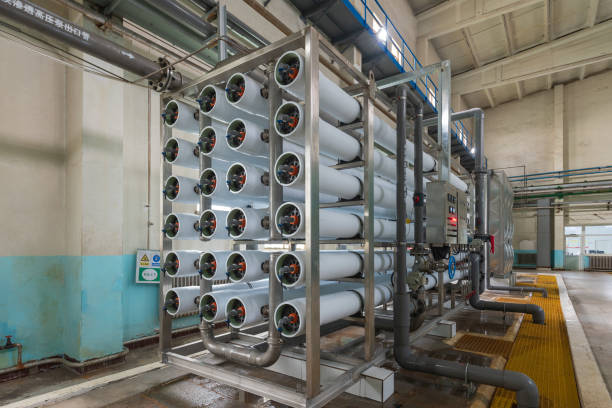 Applications of High Efficiency Reverse Osmosis (HERO) in Water Treatment
 Introduction to Reverse Osmosis Water Treatment Equipment