What is EDI Electrodeionization Technology? Reverse Osmosis + EDI vs Traditional Ion Exchange: Your Ultimate Selection Guide!
In the water treatment industry, “enhancing water purity, reducing costs, and promoting environmental sustainability” remain eternal core demands. The emergence of EDI electrodeionization technology has fundamentally transformed the traditional logic of high-purity water production. Many professionals face a dilemma during equipment selection: Should they opt for the reverse osmosis + EDI combination or traditional ion exchange? Today, we break down the core logic in plain language to help you clarify your selection approach.
I. First, Understand: What is EDI Electrodeionization Technology?
EDI (Electrodeionization) is a novel water treatment technology that integrates ion exchange resin adsorption with electrodialysis migration.
Its core principle is straightforward: under an electric field, ions in water are first adsorbed by resin, then migrate through ion-exchange membranes via electro-migration, ultimately being removed. The key advantage lies in eliminating the need for chemical acid/alkali regeneration—the electric field enables continuous “self-regeneration” of the resin, requiring no addition of acid or alkali chemicals throughout the process.
Simply put, EDI is an “upgraded version of ion exchange resin,” addressing the pain point of frequent regeneration required by traditional resins. It is often paired with reverse osmosis (RO) to form an “RO+EDI” high-purity water production system.
II. Core Comparison: RO+EDI vs. Traditional Ion Exchange
Both aim to produce pure water, but they differ significantly in operational logic, cost, environmental impact, and other aspects. We break it down across five key dimensions:
1. Regeneration Method: Chemical Regeneration vs. Regeneration-Free
Traditional Ion Exchange: Relies on acid/alkali chemicals to regenerate resin. When resin becomes saturated, the system must be shut down to inject chemicals like hydrochloric acid or sodium hydroxide, making the process cumbersome.
RO+EDI: Eliminates chemical regeneration. The electric field continuously “recharges” the resin, enabling continuous operation without shutdowns for regeneration.
2. Operating Costs: Chemicals + Labor vs. Primarily Electricity
Traditional Ion Exchange: Costs center on chemical procurement, wastewater treatment (regeneration wastewater contains high acid/alkali concentrations), and manual operation (requiring dedicated personnel during regeneration), resulting in persistently high long-term expenses.
RO+EDI: Initial equipment investment is slightly higher, but subsequent operation incurs no chemical consumption. Only electricity costs and minimal resin replacement expenses apply, with operational cost advantages becoming more pronounced as water volume increases.
3. Maintenance Difficulty: High Labor vs. Automation
Traditional Ion Exchange: Requires regular resin saturation monitoring, preparation of regeneration chemicals, and treatment of regeneration wastewater. High labor dependency with potential for output water quality degradation due to operational errors.
RO+EDI: Highly automated system with real-time monitoring of water quality and flow parameters. No dedicated personnel required. Maintenance involves only periodic membrane module cleaning, significantly reducing complexity.
4. Output Water Quality: Fluctuating vs. Stable
Traditional Ion Exchange: Initial water quality is good after regeneration, but deteriorates significantly as resin saturation increases, leading to substantial fluctuations and difficulty in consistently meeting high-purity water standards (e.g., resistivity ≥18MΩ・cm).
RO+EDI: Highly stable effluent quality with resistivity consistently maintained between 15-18.2MΩ・cm, meeting stringent high-purity water requirements for electronics, pharmaceuticals, photovoltaics, and other industries.
5. Environmental Impact: Polluting vs Zero Discharge
Traditional Ion Exchange: Regeneration generates substantial acidic/alkaline wastewater, requiring additional wastewater treatment equipment. Failure to treat this wastewater causes environmental pollution and violates current environmental policies.
RO+EDI: No chemical additives throughout the process, zero wastewater discharge, and only minimal concentrate water (recyclable). This is a green and environmentally friendly technology.
III. Selection Recommendations: There is no “best,” only “most suitable”
After reviewing the comparison, avoid blindly following trends toward RO+EDI. Focus instead on your actual needs:
Choose Traditional Ion Exchange: Suitable for low-volume water, basic water quality requirements, and limited budgets—e.g., small boiler feedwater, general industrial cleaning water—where acid/alkali wastewater treatment costs are manageable.
Select RO+EDI: Suitable for high-volume water, stringent quality requirements, and environmentally conscious scenarios, such as electronic chip production, pharmaceutical manufacturing, photovoltaic cell fabrication, and laboratory ultrapure water preparation. Long-term operation significantly reduces overall costs.
In summary: Opt for traditional ion exchange when facing short-term budget constraints and simple requirements. Pursue long-term stability, environmental efficiency, and high water quality? RO+EDI is the superior solution.
IV. Final Note: Industry Trends Are Irreversible
As environmental regulations tighten and labor costs rise, the limitations of traditional ion exchange become increasingly apparent. EDI technology, with its advantages of “no regeneration, low maintenance, and high environmental friendliness,” has become the mainstream trend in high-purity water production.
If you're still unsure about selecting the right solution for your specific scenario (e.g., water volume, water quality requirements, budget range), feel free to leave your needs in the comments section. We'll provide a tailored solution for you. Or contact us directly. Thank you for reading.
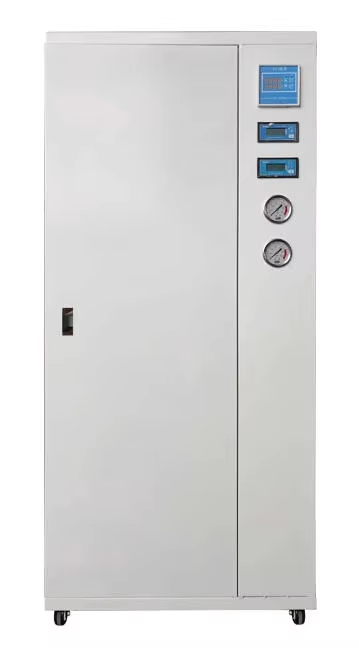 Analysis of the Structure and Working Principle of Ultrapure Water Equipment
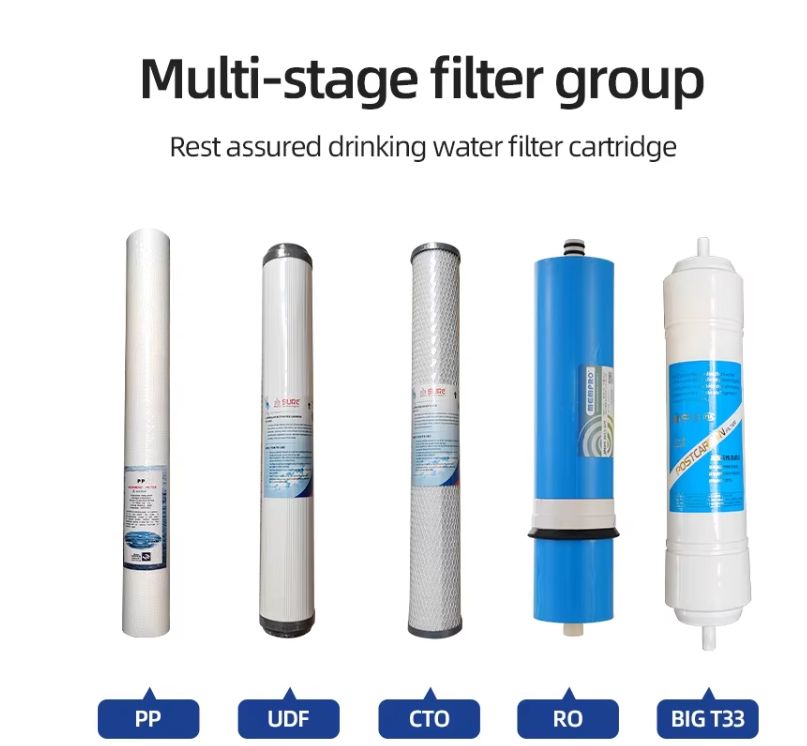 Tips for Using Home Water Purifier Filter Cartridges
 The Battle of Four Membranes: Microfiltration, Ultrafiltration, Nanofiltration, Reverse Osmosis—Which Reigns Supreme in Water Purification?
 Don't Pay for Stupidity! The Ultimate 2026 Water Purifier Guide: Selection, Pitfalls, and Maintenance All in One Article