The Working Principle of Water Purifiers Is Surprisingly Simple!
How exactly do water purifiers work? Read this article and you'll understand! Do you know what's in the water you drink every day? Besides water itself, there are many other substances—some beneficial like minerals and trace elements, others harmful like bacteria, heavy metals, pesticides, and residual chlorine. With water pollution becoming increasingly severe, is the water we drink truly safe?
To ensure safe and healthy drinking water, many people choose water purification systems to filter out harmful substances and provide cleaner drinking water. So, how do these systems work?
This article will detail the working principles of water purification systems, helping you understand the science and technology behind water treatment. Main Components of a Water Purification System A typical water purification system consists of the following parts: Pre-filter: Removes large particles like sediment, rust, and suspended solids to protect subsequent filters from clogging or damage. Ultrafiltration membrane: Removes microorganisms, colloids, and organic matter from water with a filtration precision of 0.01 microns, effectively intercepting bacteria and viruses. Reverse osmosis membrane: Eliminates dissolved inorganic substances, heavy metals, pesticides, residual chlorine, and other contaminants with a filtration precision of 0.0001 microns, intercepting calcium and magnesium ions, chlorides, nitrates, and similar substances. Post-Filter: Further enhances water taste and hygiene, typically including: Activated Carbon: Removes odors, pigments, and organic compounds while increasing dissolved oxygen and water vitality. Softening Resin: Removes hardness ions like calcium and magnesium to prevent scale buildup, protecting faucets and kettles. Mineralization Balls: Used to enrich water with minerals and trace elements like potassium, sodium, calcium, and magnesium, balancing pH levels and enhancing nutritional value. UV Lamp: Eliminates residual bacteria, viruses, and other pathogens in water, ensuring sanitary safety and extending water shelf life.
Working Principle of Water Purification Equipment
Water purification equipment primarily employs various physical, chemical, or biological methods to remove harmful substances, enhancing water cleanliness and usability. Below we examine several common filtration principles in water purification systems. Ultrafiltration Membrane Filtration Principle Ultrafiltration membranes employ a purely physical filtration method. They consist of one or more layers of thin film covered with micropores, typically around 0.01 micrometers in diameter. These pores allow only water molecules and certain small molecules to pass through while intercepting larger molecules such as bacteria, colloids, and organic matter. Ultrafiltration membranes operate by leveraging pressure differentials, pushing water from a high-pressure side to a low-pressure side to separate water from impurities. Their advantages include no electricity requirement, no wastewater generation, and retention of minerals and trace elements in water. However, they cannot remove heavy metals, chemical contaminants, or scale from water. Reverse Osmosis Membrane Filtration Principle Reverse osmosis membranes represent a highly efficient filtration method. They consist of one or multiple layers of semi-permeable membranes, characterized by allowing only water molecules to pass through while intercepting all other substances—including dissolved inorganic compounds, heavy metals, pesticides, residual chlorine, etc. with a filtration precision of 0.0001 microns, effectively intercepting calcium and magnesium ions, chlorides, nitrates, and other substances. The reverse osmosis membrane operates by utilizing a high-pressure pump to force water from the low-concentration side to the high-concentration side, thereby reversing the osmosis phenomenon and separating water from impurities. The advantage of reverse osmosis membranes is their ability to remove the vast majority of contaminants from water, providing the purest drinking water. However, the disadvantages include the requirement for electricity, the generation of wastewater, and the removal of minerals and trace elements from the water.
Water purification systems enhance water quality by employing various physical, chemical, or biological methods to remove harmful substances and deliver purer drinking water. Key components include pre-filters, ultrafiltration membranes, reverse osmosis membranes, and post-filters—each with distinct advantages and limitations, requiring tailored combinations based on water quality and specific needs.
Did this article deepen your understanding of how water purification systems work? If you'd like to learn more about water treatment knowledge and technology, feel free to contact us. I'll continue sharing more insights with you. Thank you for reading and your support!
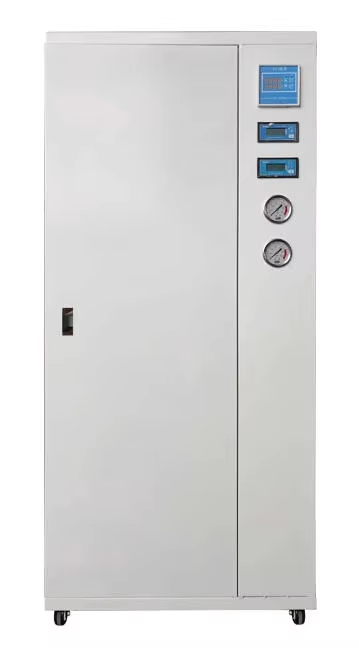 Analysis of the Structure and Working Principle of Ultrapure Water Equipment
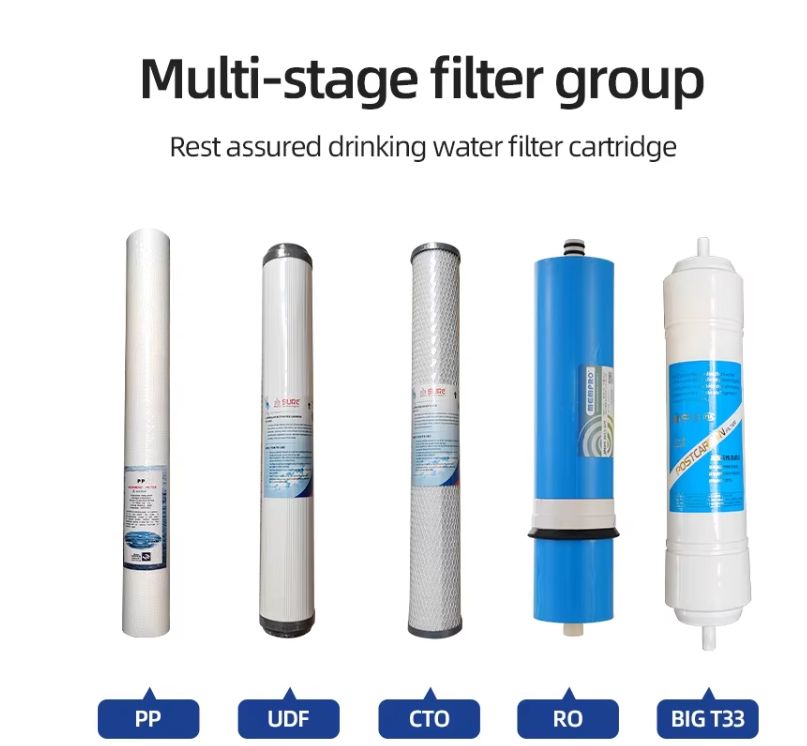 Tips for Using Home Water Purifier Filter Cartridges
 The Battle of Four Membranes: Microfiltration, Ultrafiltration, Nanofiltration, Reverse Osmosis—Which Reigns Supreme in Water Purification?
 Don't Pay for Stupidity! The Ultimate 2026 Water Purifier Guide: Selection, Pitfalls, and Maintenance All in One Article